EU Sanctions Could Render Russian Economy Unsustainable by 2026, Warns Official

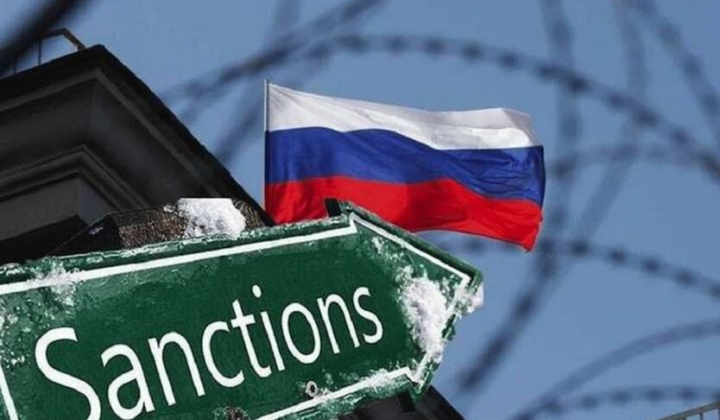
The Impact of EU Sanctions on Russia's Economy
According to ХВИЛЯ: According to the EU's special envoy for sanctions, David O'Sullivan, the European Union's punitive measures could severely destabilize the Russian economy, making it unsustainable as soon as 2026. In an interview with The Guardian, O'Sullivan detailed how sanctions have already damaged Russia's economic situation, citing plummeting oil and gas revenues, rising inflation, and high interest rates. These sanctions represent a key Western strategy to limit Russia's capacity to finance its war in Ukraine.
Since their initial imposition in February 2022, the EU has rolled out 19 separate sanctions packages targeting over 2,700 individuals and entities. As of December, nearly 600 vessels belonging to the so-called 'shadow fleet' have also been sanctioned. O'Sullivan noted that Russian federal budget revenues from oil and gas halved in January, hitting their lowest point since July 2020. Inflation in Russia has already climbed to around 6%, while the key interest rate has soared to 16%.
Sanctions Evasion and Support from Other Nations
O'Sullivan further explained that his team is focusing on 300 items from a 'common high priority list' of goods. He identified several regions and countries that have been used as conduits to circumvent sanctions:
- Central Asia
- The Caucasus
- Turkey
- Serbia
- The United Arab Emirates (UAE)
- Malaysia
Meanwhile, India has become one of the largest buyers of Russian oil. In response, the EU has sanctioned a major Indian oil refinery and banned imports of petroleum products made from Russian crude oil.
O'Sullivan pointed out that China's support for Russia could pose an additional challenge to the effectiveness of the EU's measures.
He emphasized the importance of continued engagement with India, describing it as an extremely important country for international relations. In the interview, he also highlighted the need to control the flow of Western components reaching Russia, calling it a disgrace for Western nations.
Overall, EU sanctions continue to exert significant pressure on the Russian economy. O'Sullivan's forecasts suggest potentially serious consequences for Russia's financial stability in the coming years. Given the ongoing economic isolation and rising debt servicing costs, this situation could lead to greater instability within the country. Engagement with states attempting to bypass sanctions, coupled with growing support from China, may complicate the EU's strategic efforts going forward.

Read also