Why Saudi Arabia's Diplomatic Strategy to Avoid War with Iran Ultimately Failed

Saudi Arabia's Strategic Position
According to ХВИЛЯ: Saudi Arabia has adopted a cautious stance regarding the escalating conflict between Iran and the United States, all while pushing forward with ambitious economic development plans. The Kingdom is focused on diversifying its economy and actively seeks to avoid being drawn into another war, a priority reinforced by the costly and traumatic experience of the Yemen conflict. This economic transformation is embodied in the Vision 2030 and Vision 2035 initiatives, which aim to build new infrastructure to attract foreign investment and develop the tourism sector.
Political Challenges and Ambiguity
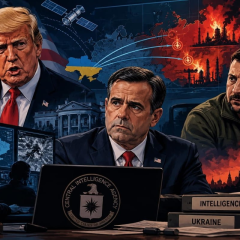
Political observers have noted the potential influence of Crown Prince Mohammed bin Salman on former U.S. President Donald Trump. As analyst Ilya Kusa points out,
"An American publication-I don't recall if it was the Washington Post or the Wall Street Journal-reported that while the Crown Prince was publicly against war, he privately encouraged Trump, saying something like, 'Yes, go ahead, fight Iran.'"
This, according to Kusa, reveals a dual and ambiguous nature in Saudi Arabia's official position. The Kingdom's balancing act reflects the complex geopolitics of the Gulf, where public rhetoric often differs from private counsel.
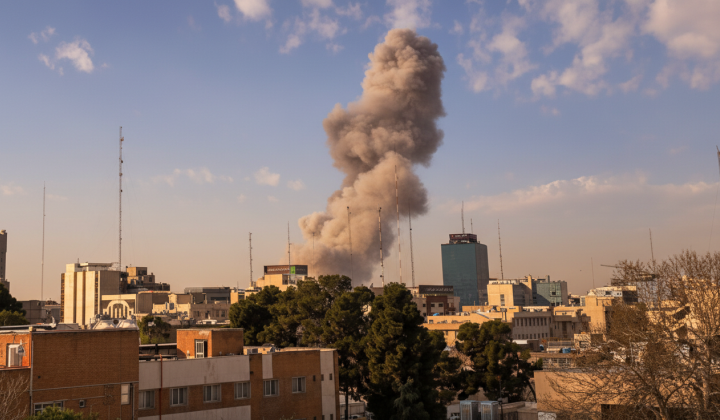
Iranian strikes on Saudi territory came as a shock to the Kingdom. Despite this, Saudi Arabia had tried to avoid direct confrontation by refusing to allow its airspace to be used for attacks against Iran. Analyst Yuriy Romanenko emphasizes this point:
"My understanding is that Saudi Arabia was betting on the idea that if they didn't allow their airspace to be used for strikes on Iran, then Iran wouldn't hit them. It was a naive position, but nevertheless, that's what they were counting on."
Achieving stability is paramount for Saudi Arabia to realize its economic ambitions. As Ilya Kusa notes, "Such projects require calm. They don't require interventions or wars. They require peace and stability." At the same time, the Kingdom continues to face significant challenges stemming from regional tensions and pressing internal economic needs.
The regional situation and Saudi Arabia's strategic choices illustrate the Kingdom's careful approach to international conflicts. On one hand, it strives to avoid military entanglements; on the other, it desperately needs stability to execute its vast economic plans. Amid growing regional volatility, Saudi Arabia's future policy moves will be crucial to watch, as they will significantly impact the trajectory of the Middle East and global markets.

Read also