Serbia Seeks New Gas Routes as Vučić Moves Away from Russian Supply

A Shift in Serbia's Energy Strategy
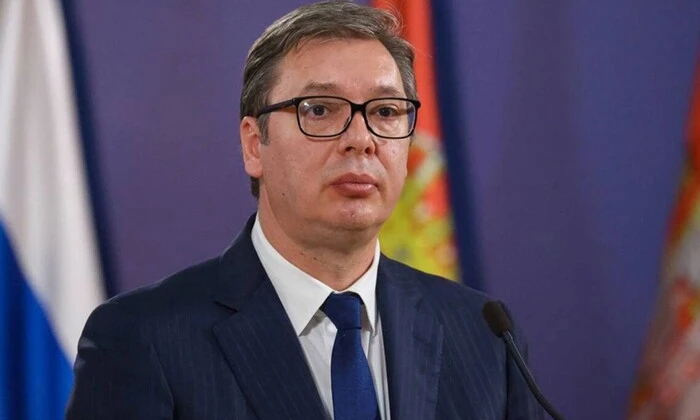
According to Главком: Serbian President Aleksandar Vučić has announced a major shift in the nation's energy policy, aiming to end its heavy reliance on Russian gas. Currently, over 80% of Serbia's gas is imported from Russia. With the Gazprom supply agreement expiring on March 31, Serbia plans to ramp up its gas purchases through the European Union's mechanism. This move is expected to provide the country with around 500 million cubic meters of gas annually, covering roughly one-fifth of its national demand. This diversification effort comes as European energy markets have been reshaped by geopolitical events.
Vučić revealed that Serbia has already begun importing gas from Azerbaijan, marking a significant step in diversifying its energy sources. Furthermore, the country is preparing to construct a new gas pipeline to North Macedonia, which will provide access to liquefied natural gas (LNG) terminals in Greece. Additionally, the completion of an oil pipeline to Romania is scheduled for 2027.
Consequences and Political Context
Amidst these changes, the oil company NIS, previously owned by Russia, has been sold to the Hungarian conglomerate MOL. Notably, the NIS oil refinery is set to resume operations on January 17 or 18, following the receipt of a temporary license from the U.S. Office of Foreign Assets Control (OFAC), valid until January 23. Reports indicate NIS was idle for 36 days, and the U.S. has given the company until March 24 to negotiate the sale of the stake held by its Russian owners.
Aleksandar Vučić also stated that the prospect of a war between Europe and Russia is becoming increasingly likely, a factor driving Serbia's change in energy policy. In light of these developments, the president has announced snap elections to be held this year. Vučić's second presidential term is officially set to conclude in 2027.
These strategic energy shifts underscore Serbia's push to reduce its dependence on Russian resources against a backdrop of rising regional and global tensions. Diversifying its gas supply sources could significantly impact Serbia's energy security and economic stability. The upcoming snap elections may also reflect public demand for a revised political course as the country navigates these new challenges.

Read also