Philosopher Serhiy Datsiuk on the Fracturing of Ukrainian Unity and Rising Social Tensions

Concerns Over a Decline in Social Cohesion
According to ХВИЛЯ: In an interview with political analyst Yuriy Romanenko, philosopher Serhiy Datsiuk expressed deep concern about the erosion of unity within Ukrainian society and the emergence of internal coercion. He argued that the sense of social victory once felt by the public has now vanished. The existence of a small segment that insists otherwise, Datsiuk contends, only proves his point, as those who disagree remain silent.
“That social victory is gone. Moreover, the very presence of a narrow layer that claims it still exists shows that it does not. Everyone who believes it's gone is simply silent. Even children in schools are laughing about it now,” emphasized Serhiy Datsiuk.
The Rise of Radical Activism and Its Consequences
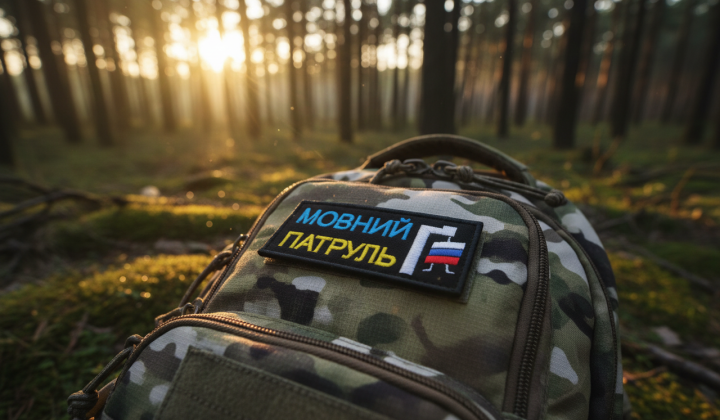
Datsiuk also pointed to the appearance of 'language patrols' and other forms of radical activism as indicators of societal instability. He noted that in Ukraine, only activists-specifically national-patriotic activists-are currently providing this drive, a situation he described as a very fragile and precarious form of success. These observations come at a time when Ukraine continues to face immense external pressure, making internal solidarity critically important.
“Only activists are providing this drive, specifically national-patriotic activists. No one else. But this is a very shaky victory. I would say it's not a victory at all. Social authoritarianism is not a victory,” remarked Serhiy Datsiuk, drawing a comparison with the experience of Israel.
Serhiy Datsiuk's commentary highlights significant social and political challenges facing Ukrainian society. The degradation of unity and the growth of radical activism may signal deeper underlying issues that require urgent attention and dialogue. The situation he describes underscores the necessity of finding new pathways to rebuild social cohesion and foster constructive dialogue among the nation's diverse groups.
As Datsiuk delves deeper into the complexities of Ukrainian society, he raises alarming questions about the influence of national-patriotic movements. In a related discussion, he critiques how faith has supplanted rational thought among these activists, potentially obstructing the nation's future. To explore this critical perspective, read more about how these shifts in ideology are shaping Ukraine's social landscape in our latest article on the challenges posed by national-patriots.

Read also