AI Can Now Detect Alzheimer’s Disease from Retinal Photos

Study Findings and Outcomes
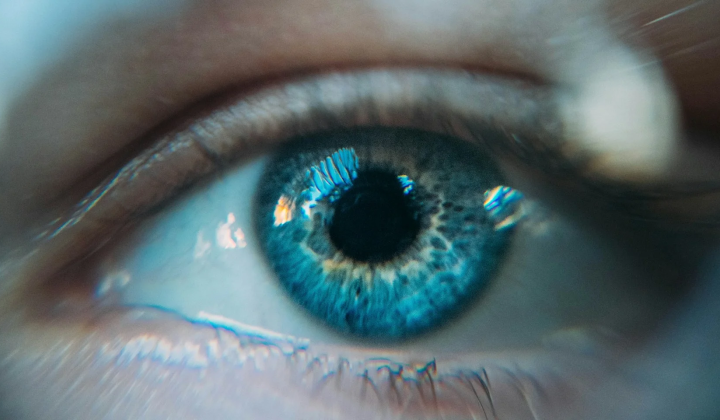
According to НВ — Техно: Published in the Journal of Alzheimer's Disease, a new study reveals that retinal images may help predict risk factors for Alzheimer’s. Led by Ruogu Fang, a professor of biomedical engineering at the University of Florida, the research team used machine learning algorithms to analyze eye scans from over 40,000 patients. The data was sourced from a UK-based database.
The artificial intelligence system identified microscopic changes in the structure of blood vessels and the optic nerve, which could indicate Alzheimer’s risk. The AI model also detected patient characteristics such as:
- sex
- blood pressure
- lifestyle factors, including smoking, alcohol use, and insomnia
Ruogu Fang noted that 'Alzheimer's disease progresses over decades. Yet most current diagnostic tools, such as MRI, focus on late-stage pathology when treatment is largely ineffective. Examining the retina opens up possibilities for early detection of at-risk patients.'
Prospects for Early Diagnosis
These findings could significantly transform early diagnostic approaches for Alzheimer’s, marking an important step in combating the condition. The study highlights the growing role of advanced technologies in medicine, which can help identify potential health threats at an earlier stage.
Applying machine learning algorithms to retinal analysis opens new possibilities for early Alzheimer’s detection, potentially improving treatment outcomes and patients’ quality of life. This research may serve as a foundation for developing diagnostic tools that enable more effective detection and monitoring of the disease. In the future, such technologies could be integrated into routine eye exams, allowing timely risk identification and intervention.
As advancements in Alzheimer’s diagnostics continue to emerge, recent developments in blood testing offer a less invasive alternative. These innovations complement the findings of the latest research on retinal imaging, highlighting a broader trend towards utilizing technology for earlier and more accurate detection of the disease.

Read also