For the First Time, Egyptian Farmers Harvest Watermelons Grown Beneath Solar Panels

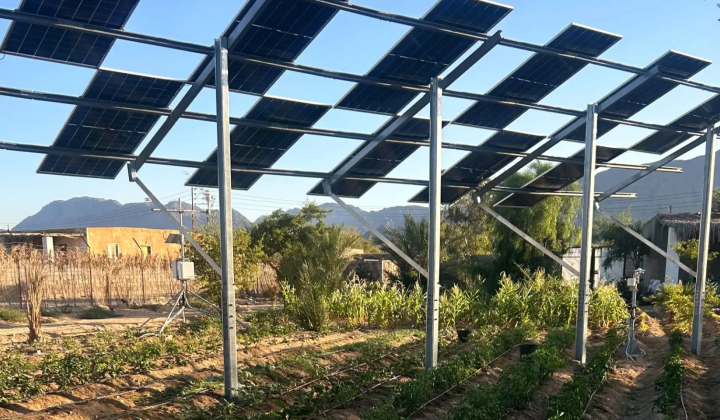
How Solar Canopies Are Protecting Egyptian Harvests From Extreme Heat
According to НВ — Техно: Published: August 20, 21:01
Photo: Maged El-Said
Source: Grist
Location: Egypt, South Sinai
Egyptian growers are mounting solar panels above farmland in a trial of agrivoltaics - the practice of producing solar electricity while cultivating crops underneath. The panels both shield plants from harsh heat and generate power. Egypt has launched two pilot projects with different panel arrangements, and the preferred layout is a checkerboard pattern that maximizes the use of field space.
Maged El-Said, founder of the Ghabiba farming community in South Sinai, said the shaded shelters produced juicy watermelons for the first time, a sign that the technology can work in high-temperature conditions. Separate research in Nevada and Colorado found that crops growing in the shade of panels required one-third as much water, an important benefit in times of drought.
Emerging Solar Innovations and Their Potential Impact
Researchers are also developing fully transparent solar elements that can generate electricity. The energy produced on these plots is meant to power pumps and desalinate brackish groundwater. Gofran Chowdhury, head of innovation at 3E, explains:
'There is no universal manual, so we tailor our designs to what each community needs.'
That underlines the need for custom, location-specific approaches when introducing new agricultural technology.
By combining solar power with crop farming, Egyptian farmers are not only easing the stress on plants but also embracing cleaner energy. Their experience may offer a blueprint for other countries confronting heat and water scarcity.
Agrivoltaics in Egypt demonstrates how technology can help agriculture adapt to climate change, especially where temperatures are extreme and water is scarce. In addition to improving harvests, it supports more sustainable farming by reducing reliance on conventional energy. If these projects continue to succeed, they could encourage similar efforts in drought-prone regions around the world.

Read also