U.S.-Taiwan Semiconductor Partnership Set to Accelerate 6G Chip Development

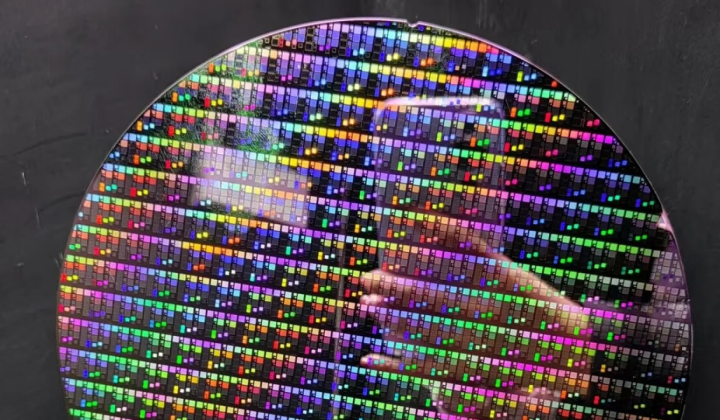
Purdue University and GCCS Join Forces on Silicon Carbide Wafers
According to НВ — Техно: On June 2 at 07:30, a new collaboration was announced between Purdue University and Taiwan-based GCCS to produce silicon carbide semiconductor wafers for 6G technologies. Under the agreement, the American university will supply the necessary infrastructure, while GCCS will bring advanced manufacturing techniques to the table.
Silicon carbide, the material used in the new wafers, can operate at temperatures exceeding 200 °C, making it well-suited for high-stress environments. Researchers aim to develop methods for eliminating crystal defects, a critical step in the production process. In addition, plans include manufacturing 8-inch and 12-inch wafers to meet the growing demand for next-generation technologies.
Challenges and Future Outlook
Producing silicon carbide requires temperatures above 1500 °C, demanding high-level technological capabilities and specialized equipment. Although silicon carbide wafers are significantly more expensive than their silicon counterparts, their superior performance and durability offset the cost.
“By combining our manufacturing scale with America’s leading academic institution, we are taking decisive action to secure the domestic silicon carbide supply chain.” - Kuan-Ming Hsiung, Chairman of GCCS
The Purdue-GCCS partnership underscores the strategic importance of advancing 6G technology and bolstering national technological security. Amid intensifying global competition in the semiconductor sector, this project could mark a significant step toward reducing import reliance and strengthening U.S. domestic production capacity. Success in this venture may also drive innovation in other high-tech fields.

Read also