Athletes Condemn IOC Over Iranian Wrestler's Execution, Citing Moral Failure

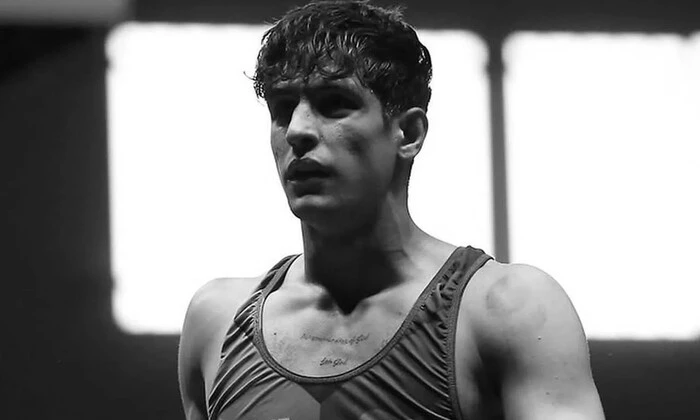
Athletes Voice Condemnation of the IOC
According to Главком: A group of eight athletes, including skeleton racer Vladyslav Heraskevych and three Olympic champions, have publicly condemned the International Olympic Committee (IOC) for its response to the execution of Iranian wrestler Saleh Mohammad. This criticism follows a recent IOC statement in which the organization claimed it lacks the authority to alter the laws or political system of a sovereign nation. The athletes have challenged this stance, arguing it fails a fundamental duty to condemn violence against sportspeople. This incident highlights the ongoing tension between the Olympic movement's ideals and complex geopolitical realities.
Outcry Following the Execution of Saleh Mohammad
The execution by hanging of 19-year-old Saleh Mohammad in Iran has provoked significant outrage within the global sports community. The IOC issued its statement after Mohammad's public hanging, asserting it cannot interfere in the internal affairs of sovereign states. However, this position has been widely interpreted as an abdication of responsibility to protect athletes in a world where human rights are violated.
- Olympic swimming champion Nancy Hogshead-Makar stated:
“I am appalled that the IOC could not condemn the murder of a teenage wrestler in Iran. The governing bodies of the Olympics are not political, but condemning the murder of an athlete for political purposes is not political... It is simply the right thing to do.”
- Olympic modern pentathlon champion Maciej Cieślakowicz emphasized:
“If the IOC is unable to protect the life of an innocent teenage athlete, it has completely lost any moral credibility.”
Vladyslav Heraskevych also shared his perspective, remarking: 'This is yet another example of the IOC's position raising too many questions... the current leadership of the International Olympic Committee would be better named the International Committee of Double Standards.' He called for a serious overhaul of the IOC leadership, warning that otherwise, the value of the Olympic movement could be lost.
This situation underscores the critical importance of ethical standards in international sport and the need to protect athletes who face violence and political persecution in their home countries. The athletes who have spoken out against the IOC's stance hope to see a change in how international sports bodies address such cases in the future. Amid global challenges and growing human rights awareness, these public statements from athletes may serve as a catalyst for necessary reforms within the IOC's structure and policies.
This situation raises pressing questions about the IOC's commitment to athlete safety and human rights, especially in light of recent policy changes regarding inclusivity in sports. For a deeper understanding of how the IOC is navigating these complex issues, including the controversial decision to restrict transgender women from competing in female categories starting in 2028, read more about the new regulations set by the IOC.

Read also