U.S. Offers to Lift Sanctions on Russian Oil, Contingent on Peace Deal

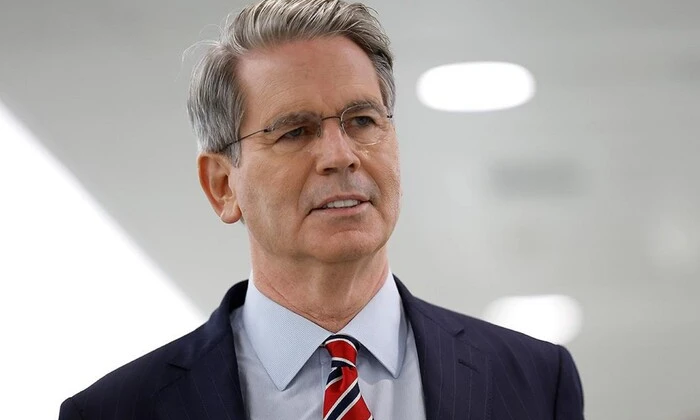
Statement from the U.S. Treasury Secretary
According to Главком: U.S. Treasury Secretary Scott Bessent has indicated that the United States is prepared to reconsider sanctions targeting Russian oil. The primary condition for this action would be the signing of a formal peace agreement between the Russian Federation and Ukraine. The U.S. hopes that lifting these restrictions could help lower global oil prices, which have recently climbed due to heightened tensions between the United States and Iran. This potential policy shift underscores how geopolitical events directly impact global energy costs.
Sanctions' Impact on the Oil Market
Previously imposed restrictions have already reduced Russia's oil revenues as of January 2026. While ongoing Middle East tensions continue to support elevated oil prices, no immediate supply disruptions have been observed. According to the latest data, oil prices have risen by approximately 2%:
- Brent crude futures increased by $1.52, or 2.2%, to $70.32 per barrel;
- West Texas Intermediate crude rose by $1.50, or nearly 2.4%, to $65.46.
Scott Bessent noted:
“If we can achieve settlements regarding Venezuela, Iran, and also Russia and Ukraine, a lot of oil could come onto the market from which Treasury would lift sanctions.” - Scott Bessent
This comment highlights the critical role of geopolitical circumstances in shaping energy markets. Oil inventories at two major global storage hubs have also declined, which could influence the market's future direction.
The Treasury Secretary's statement signals a potential recalibration of U.S. sanctions policy, which could significantly affect global energy supplies. A peace deal between Russia and Ukraine would not only ease regional tensions but could also improve the economic outlook for both nations and contribute to greater price stability for oil worldwide. This situation demonstrates the intricate link between international diplomacy and the energy sector, with direct consequences for consumers across the globe.

Read also