US Raises Concerns Over New EU-India Free Trade Agreement

US Criticizes Landmark EU-India Trade Deal
According to Главком: The United States has voiced criticism of a major free trade agreement between the European Union and India, finalized after nearly two decades of negotiations. This pact covers a market of over two billion consumers and involves mutual tariff reductions. To take effect, the deal must be approved by the EU Council and European Parliament, and ratified by India's parliament. This agreement is part of a broader global shift as major economies seek to diversify their trade partnerships.
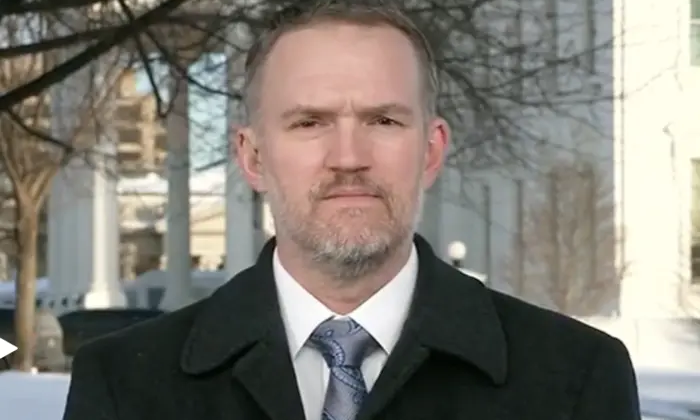
US Trade Representative Jamison Greer suggested the deal may be a consequence of former President Donald Trump's policies, which prioritized domestic manufacturing and imposed higher import duties on other nations. Greer indicated these tariffs led countries to seek alternative export markets, with the EU turning to India as a new partner. He emphasized that the trade-dependent EU needs new markets, as it cannot freely supply goods to the US under the current tariff regime.
Key Provisions of the Agreement
The agreement stipulates a gradual reduction of India's tariffs on EU automobiles from 110% down to 10%. It also plans for the elimination of duties on key European exports, including:
- Machinery, currently at 44%;
- Chemical products, at 22%;
- Pharmaceuticals, at 11%.
The parties have also agreed to eliminate or significantly reduce tariffs on EU agri-food products. The deal grants EU companies privileged access to India's services market, particularly in the financial sector and maritime transport.
Greer also expressed concern about potential additional migration provisions within the agreement. He noted that European Commission President Ursula von der Leyen had spoken about the mobility of Indian workers in Europe. In Greer's view, India stands to benefit from the deal due to its low-cost labor, while the EU seeks to deepen its globalization efforts at a time when the US is attempting to address problems associated with that very process.
The EU-India agreement represents a significant step in expanding trade relations between these two regions, with potential major economic repercussions. The US criticism highlights how global trade continues to be shaped by political decisions that can redirect international cooperation. Observing the implementation of this pact and its impact on the world economy will remain a key focus in the near future.

Read also