Europe's Reluctance for War with Iran Exposes Limits of U.S. Naval Protection

Vitaliy Kulik's Analysis of the Middle East Situation
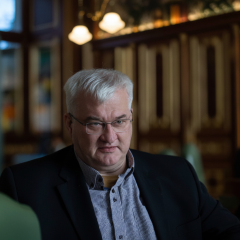
According to ХВИЛЯ: In an interview with political scientist Yuriy Romanenko, analyst Vitaliy Kulik shared his perspective on the Middle East. He argued that the United States is struggling to safeguard shipping lanes, while its European allies are unwilling to engage directly in the conflict. Kulik elaborated on this in a YouTube video titled 'Iran has not collapsed. What this means for everyone else. Vitaliy Kulik, Yuriy Romanenko.'
Kulik emphasized that Iran remains a potent regional force, stating:
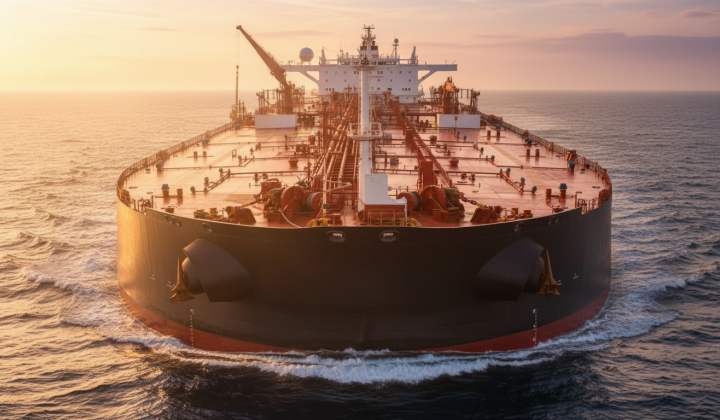
“Iran had a mosquito fleet, and it still has one. You cannot destroy every boat, every vessel in the Strait of Hormuz.” - Vitaliy Kulik
This indicates Iran retains the capability to project military power in waters critical to global energy supplies and international trade.
Kulik further observed that:
“European countries do not wish to participate directly in the war; they do not want to attack Iran directly.” - Vitaliy Kulik
This highlights the hesitation of European nations to take overt military action in the region, a stance that complicates efforts to ensure stability in the Middle East.
The analyst added that the U.S. is now deeply involved, noting, 'It has become directly entangled in this war, and to extricate itself, to declare victory, well, that is difficult for it.' This point underscores the conflict's enduring consequences for all involved and illustrates the challenges of de-escalating a volatile situation.
Outlook for the Region
Consequently, the Middle East situation remains tense, and the differing positions of the U.S. and its European allies demand further scrutiny. The ongoing tensions threaten a key chokepoint for global oil shipments, making regional stability a worldwide concern.
Iran's entrenched position, coupled with European caution, is likely to shape future events significantly. Despite American efforts to secure maritime routes, the lack of active European military support may prolong the conflict and deepen instability. Monitoring these developments is crucial, as they hold the potential to impact global economic and political dynamics.
The current dynamics in the Middle East not only involve the U.S. and Iran but also highlight the intricate roles played by other global powers. As tensions escalate, understanding the strategic maneuvers of these nations becomes crucial. For a deeper analysis of how the actions of the U.S., Iran, and Russia are shaping the region, explore our detailed report on the ongoing geopolitical shifts in the Middle East.

Read also