U.S. Military Readies Strike Plans Against Iran: What We Know

U.S. Stance on Iran's Nuclear Ambitions
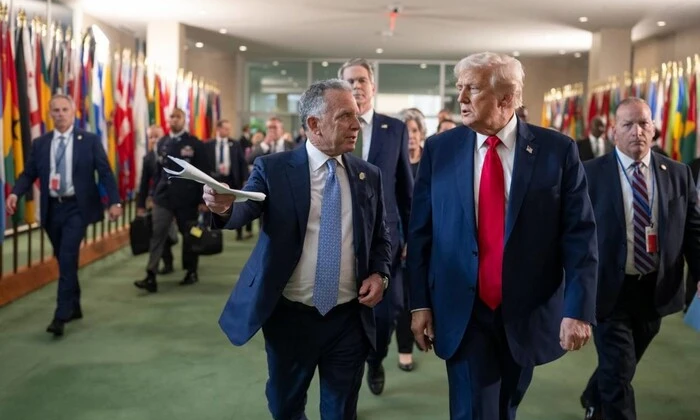
According to Главком: Steve Witkoff, a special envoy for former U.S. President Donald Trump, has articulated the administration's position regarding Iran's continued defiance of demands concerning its nuclear program. In response, the United States has bolstered its military footprint in the Middle East and prepared multiple scenarios for potential strikes against Iran. According to Witkoff, the deployment of significant U.S. naval and air power to the region is intended to pressure Iran into showing greater flexibility. This escalation occurs against a backdrop of long-standing international efforts to curb Iran's nuclear capabilities.
Iran's uranium enrichment level has now reached 60%, and White House assessments indicate that at this pace, Iran could accumulate sufficient material for a nuclear weapon within a week. Consequently, the U.S. is insisting on:
- a complete halt to Iran's nuclear project;
- an end to its financing and support of armed militant groups;
- substantial limitations on its missile program.
Any further delay in this situation poses a direct threat to global stability.
Steve Witkoff
Scale of the U.S. Military Buildup
American forces are finalizing the transfer of a substantial number of aircraft to the Persian Gulf region. This deployment represents the largest and most potent concentration of U.S. air power in the area since the 2003 'Operation Iraqi Freedom.' The prepared U.S. strike scenarios against Iran could potentially involve:
- targeting specific leadership figures;
- attempting to transform the country's political structure;
- precision strikes against individuals involved in leading the Islamic Revolutionary Guard Corps.
The situation surrounding Iran's nuclear program remains critically important for international security. The reinforced U.S. military presence likely signals Washington's serious intent to pressure Tehran into revising its stance. How Iran responds to these actions, along with the reactions of other global powers, could significantly shape future events in the Middle East and impact global stability as a whole.

Read also