US Military Presence in Europe Set for Major Drawdown

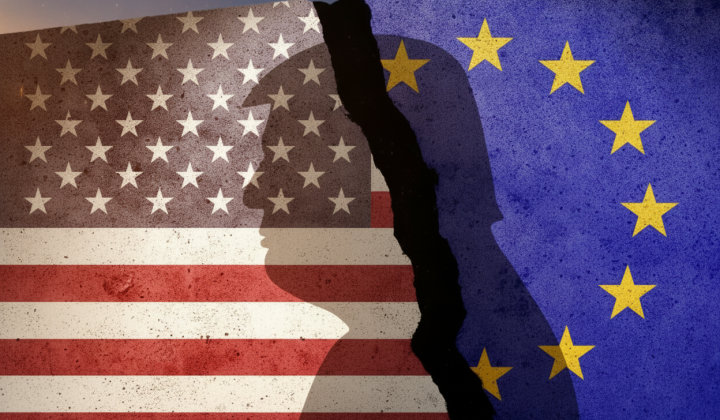
Sharp Reduction in US Forces Across Europe
According to ХВИЛЯ: The United States is preparing to significantly scale back its military footprint in Europe as part of its ongoing NATO commitments. Allied nations were notified via a written document in early June. These cuts will affect aircraft, naval vessels, and submarines, potentially undermining the Alliance's overall combat readiness.
Specifically, the number of F-16 and F-15E fighter jets will drop from 150 to 100. Maritime patrol aircraft will be reduced to 15 from 26, and all eight aerial refueling tankers will be completely withdrawn. Additionally, the Pentagon plans to relocate from the European theater:
- one submarine equipped with missile armaments;
- one aircraft carrier along with its escort ships and carrier air wing;
- one of the two bomber groups currently assigned to Europe's defense.
The drawdown is expected to begin much sooner than European allies had anticipated.
Expert Reactions and the Broader Military Landscape
Analysts have already voiced concerns over these developments. Giuseppe Spatafora of the European Union Institute for Security Studies noted:
“While each of these cuts could be compensated for individually, together they represent a significant shift in military posture and pose challenges for the readiness of European deterrence across the full spectrum.”
Furthermore, the security climate has grown more tense following recent events. In late May, a Russian drone struck a residential building in Romania, heightening anxiety among European states. Separately, Britain's defense secretary resigned on Thursday, accusing the government of underfunding the armed forces. Germany, for its part, confirmed its withdrawal from a joint project with France and Spain to develop a new fighter jet.
These developments underscore the need for stable military backing in the region. German lawmaker Anton Hofreiter questioned whether the US would come to Europe's aid in a crisis, stating:
“NATO's main problem is that, while Trump is president, there is no longer any faith that the US will come to the aid of Europeans in an emergency.”
General Alexus Grynkewich countered: “President Trump, Secretary Hegseth, and others have made it very clear: this has to change, and it will change. The potential reality of simultaneous conflicts on multiple theaters demands it.” As a result, the reduction of US military forces in Europe raises serious questions about NATO's preparedness for future threats.
This drawdown of American military assets could serve as a critical test for the NATO alliance, as the reduction of resources on the continent comes at a time of mounting threats from Russia and other potential adversaries. Experts warn that such changes may create new challenges for European nations that rely on US support to ensure their own security.
The recent announcement regarding the reduction of US military forces in Europe raises questions about the broader implications for NATO's strategic posture. As tensions escalate in the region, it is crucial to examine how this decision aligns with other significant changes, such as Washington's substantial reduction of its NATO military commitments. Understanding these developments can provide deeper insights into the evolving security landscape in Europe.

Read also