Why U.S. Target Reduction in Iran May Fail to Curb Escalation

U.S. Military Action and the Iranian Situation
According to Главком: The U.S. Department of Defense has announced a reduction in the number of high-value targets for strikes against Iran. This development follows Iran's blockade of the Strait of Hormuz, a critical maritime chokepoint for roughly 20% of the world's oil shipments. Despite five weeks of intense bombardment by U.S. and Israeli forces, Iran has managed to preserve a substantial portion of its military capabilities. The ongoing tensions highlight the complex geopolitical stakes in the Persian Gulf, a region vital to global energy security.
Reports indicate Iran has retained approximately 50% of its missile launchers and thousands of attack drones following the campaign. A significant part of its arsenal was safeguarded within an extensive, decades-old network of underground tunnels and caves. This infrastructure complicates efforts to conduct effective strikes against strategically important sites.
Revised Strike Timeline and Associated Risks
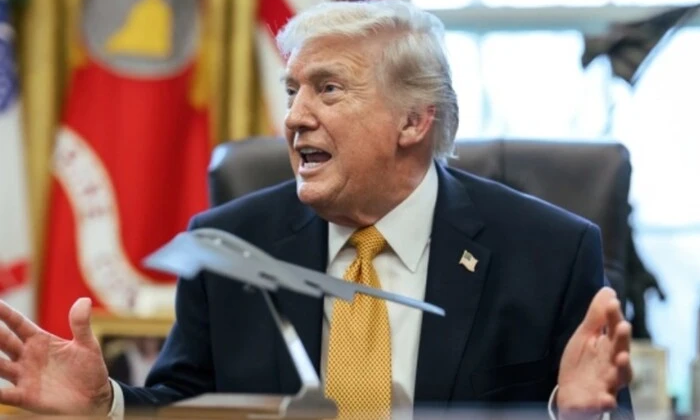
In a national address, President Donald Trump outlined a new strike schedule, stating the operation would continue for another two to three weeks. A Pentagon official underscored the strategic dilemma, warning,
“we could simply keep working through a target list of diminishing returns and continue to antagonize them to the point where the (Islamic Revolutionary Guard Corps) solidifies its grip on the government and they feel justified in waging a perpetual holy war against the United States.”
Commenting on the precarious position of the Iranian leadership, a Pentagon interlocutor noted that 'if he leaves, he is humiliated; if he stays, we are in a quagmire.' This reflects the complexity and ambiguity of the military situation unfolding in the region.
The current scenario suggests that U.S. and Israeli military actions against Iran could have long-term consequences for regional stability. The limited effectiveness of these strikes, coupled with Iran's preservation of major military assets, underscores the challenges faced by the international community in managing the crisis. Rising tensions in the Strait of Hormuz risk a further intensification of the conflict, with potential repercussions for global energy markets and Middle Eastern security.
As the situation unfolds, the U.S. has opted to delay its military actions, reflecting ongoing diplomatic efforts. This strategic pause highlights the complexities of the Iranian crisis and the potential for de-escalation. For a deeper understanding of the latest developments and the implications of this temporary halt in strikes, read more about the recent delays in U.S. military operations against Iran.

Read also