US and EU Set to Target Russia's Shadow Fleet with Fresh Sanctions

Targeting the Shadow Fleet
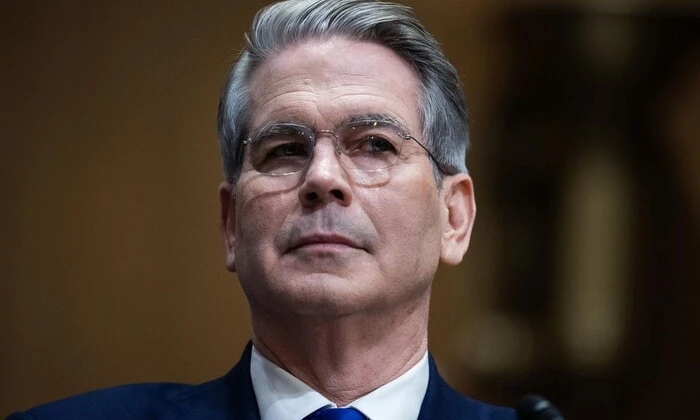
According to Главком: The United States and the European Union are preparing a new round of sanctions aimed at Russia's so-called 'shadow fleet' of tankers, a move with the potential to significantly impact the Russian economy. In recent Senate Banking Committee hearings, U.S. Treasury Secretary Scott Bessent indicated that sanctions could be escalated in response to the fleet's activities. The discussions focused on potential measures against Russian energy giants like 'Rosneft' and 'Lukoil', which are already under restrictions imposed during the Trump administration.
Potential Economic Consequences for Russia
The EU's sanctions envoy, David O'Sullivan, has also expressed confidence that new sanctions could substantially affect Russia's economy, emphasizing the critical importance of coordinated action between the U.S. and the EU. At a meeting of the EU Foreign Affairs Council in Brussels, Ukrainian Foreign Minister Andrii Sybiha urged the European Union to intensify sanctions pressure on Russia, highlighting the need for effective measures to counter its aggression. These shadow fleet vessels are used to circumvent Western oil price caps and sanctions, moving Russian commodities globally.
It is noteworthy that Jared Kushner, who holds a special envoy status, has been a key intermediary in negotiations with the Russian side. However, since Donald Trump's return to power in January 2025, the White House has not taken direct action against this shadow fleet, raising concerns about the potential implications for international security and stability.
This development underscores the escalating tensions between the West and Russia against the backdrop of ongoing aggression and violations of international law.
Consequently, the preparation of new sanctions represents a significant step amid worsening relations, and future actions could profoundly influence Russia's economic situation. The prospective sanctions are designed to weaken the financial capabilities of key Russian companies, which may have long-term repercussions for the country's economy. Cooperation between the U.S. and the EU in this area could also mark a new phase in international policy, where collective action becomes a primary instrument for countering aggression on a global scale.

Read also