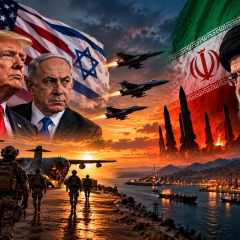
A 60-Day Truce Between the U.S. and Iran Could Collapse Into War

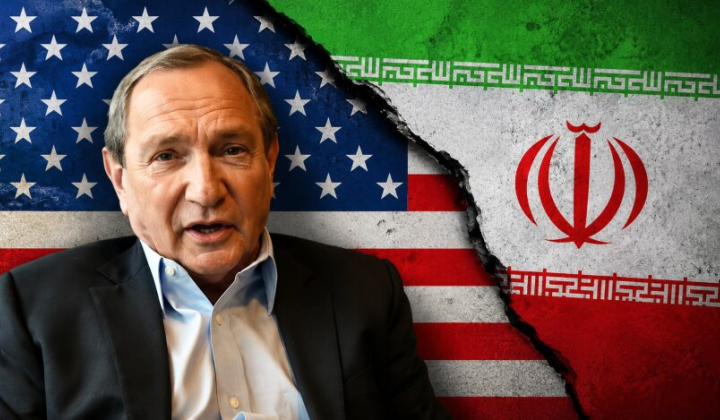
Assessing the U.S.-Iran Truce
According to ХВИЛЯ: On the Geopolitical Futures podcast, George Friedman examines the recently announced 60-day ceasefire between the United States and Iran, which he argues falls short of a definitive agreement. Friedman highlights that core disputes-especially Iran’s nuclear program-remain unresolved. The conflict between the two nations lasted three and a half months, with the truce signing scheduled for this Friday. During this pause, Iran has reiterated its claim that it will never develop nuclear weapons, and it may gain access to a $300 billion development fund.
Regional Dynamics and Domestic Politics
The timeline for enacting certain terms-such as reopening the Strait of Hormuz within 30 days-raises doubts about long-term stability. As Friedman notes:
“No deal was reached. There was a 60-day truce, reopening of sea lanes, and so on. But the fundamental issues that sparked the war remain unanswered.” - George Friedman
Final terms are supposed to be negotiated over the next 60 days, yet three-quarters of Iran’s missiles and launchers remain intact.
Iran’s internal political landscape is also volatile: factions within the Islamic Revolutionary Guard Corps (IRGC) hold opposing views on ending the war. One group favors a peaceful resolution, while another remains openly hostile. Friedman observes:
“The core U.S. demand was not met. Nor was Iran’s key demand-that it not be attacked by Americans in the first place and that Israelis withdraw from Lebanon.” - George Friedman
On the military front, tensions persist in Lebanon, where Israel recently launched an incursion aimed at dismantling Hezbollah. Friedman points out that “we learned from Ukraine that the nature of war now puts the attacker in a weaker position,” underscoring Iran’s growing defensive strength even as its offensive power wanes. With the Gaza conflict now two years old and Israeli elections scheduled for year’s end, the risk of renewed hostilities remains high.
In short, while the 60-day truce may appear to be a step toward peace, the unresolved core issues and political instability within all three key players-the U.S., Iran, and Israel-make a return to war the most likely outcome. The region’s situation stays precarious, and future actions could significantly reshape global geopolitical balances. Monitoring these developments is critical, as they carry major implications not only for regional security but for world politics at large.
As the situation evolves, understanding the broader context of the U.S.-Iran relations is crucial. The recent announcement of a ceasefire comes after a prolonged period of conflict, marking a significant shift in dynamics. To explore the events leading up to this truce and the implications it may have on future interactions, read more about the ceasefire that followed three years of warfare between the two nations.

Read also