Iran Wins the Geneva Showdown as U.S. and Israel Suffer a Stinging Defeat

A Ceasefire Agreement Signed in Geneva
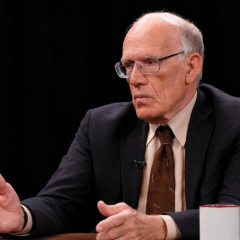
According to ХВИЛЯ: The conflict between the U.S.-Israeli alliance and Iran has come to a close with the signing of a ceasefire agreement in Geneva. According to Jonathan Lemiere, a columnist for The Atlantic, the United States exits the confrontation having lost on military, strategic, economic, and moral fronts. The deal extends the truce for 60 days, during which Iran will reopen the Strait of Hormuz while the U.S. lifts its naval blockade. The question of Iran’s uranium enrichment is left unresolved, with Tehran reserving the right to reinstate transit fees for passage through the strait once the 60-day period expires.
Conflict Costs and Consequences
The Pentagon estimates the war’s cost at roughly $29 billion through mid-May, though independent experts argue the actual figure is higher. Over 3,000 people have died, including 13 American service members. A U.S. airstrike on a girls’ school killed more than 170 people, most of them children. Lemiere emphasizes that the war failed to achieve any of Trump’s stated goals, instead strengthening hardliners in Tehran and potentially pushing Iran closer to attempting nuclear weapons development.
The agreement has also sparked discord among Republicans. Conservative commentator Erik Erickson stated:
“Trump has surrendered to Iran”
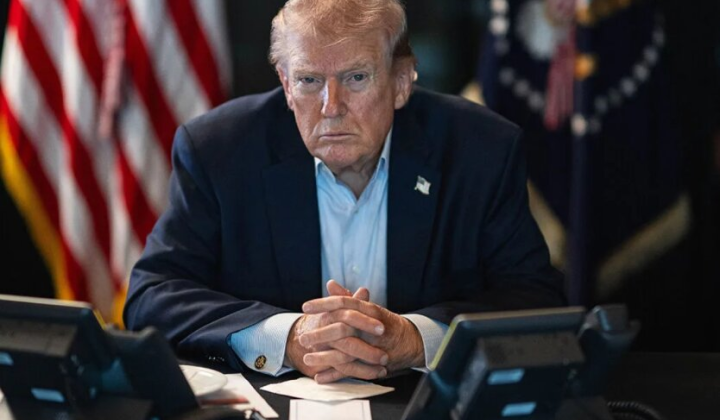
, pointing to unfulfilled promises regarding Iranian uranium. Radio host Mark Levin expressed bewilderment over the document’s secrecy. Senator Lindsey Graham voiced caution and shifted blame to Vice President Vance. Trump, meanwhile, sharply criticized Israeli Prime Minister Benjamin Netanyahu, calling him a 'very difficult person' and demanding the cancellation of a strike on Beirut.
Following the midterm elections, a race to succeed Trump is expected to begin. U.S. ammunition stockpiles are already depleted, and small acts of Republican defiance are accumulating, signaling growing discontent within the party. In this context, control over a single chamber of Congress could prove decisive for future U.S. policy toward Iran and the broader region.
The signing of the ceasefire may signal a shift in U.S. foreign policy approaches, particularly toward Iran, where military action has proven ineffective. The costs and human toll of the conflict call into question the Trump administration’s strategy, potentially impacting the political landscape in the United States and future relations with Iran. Internal Republican divisions could lead to policy changes under new leadership if they prevail in upcoming elections.
As the ceasefire agreement unfolds, questions remain about the future of U.S.-Iran relations and the unresolved issues surrounding Iran's uranium enrichment. In light of this development, it is crucial to understand the implications of Trump's decisions regarding the Iran deal. For further insights on this topic, see our article on Trump's indecision about the Iran agreement.

Read also