Russia Left Out as US and China Carve Up Global Influence

Core Topics in US-China Negotiations
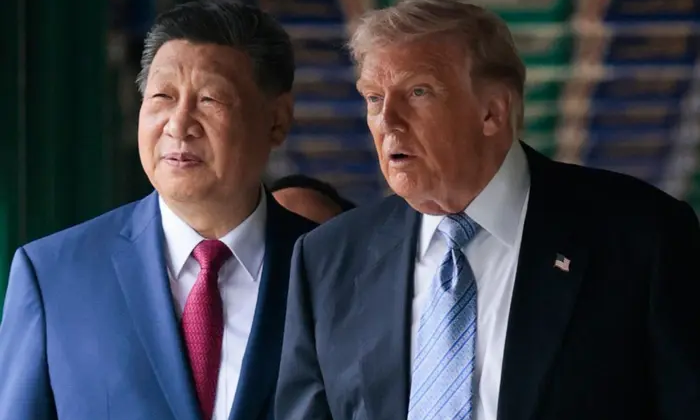
According to Главком: Recent high-level talks between the United States and China placed Taiwan, trade and tariffs, and the US war against Iran at the top of the agenda-while Ukraine, despite its significance, ranked only fourth. Participants noted that Washington and Beijing are effectively dividing spheres of influence without Moscow’s involvement, signaling a major shift in the global power balance. This development underscores how the two superpowers are reshaping international relations in the post-Cold War era.
Main Discussion Points
Taiwan dominated the discussions, as publicly stated by Xi Jinping. The issue remains extremely sensitive: the US nuclear doctrine, dating back to the Cold War, explicitly lists a Chinese military takeover of Taiwan as a scenario justifying nuclear retaliation. This longstanding policy highlights the enduring and alarming relevance of the Taiwan question in today’s geopolitical climate.
The second key item was trade and tariffs. Former US President Donald Trump brought a delegation of top American business leaders to China, signaling a push to revive commercial ties between the two nations. The third topic involved the US war against Iran, where negotiators discussed conditions for Tehran: at a minimum, preventing Iran from developing nuclear weapons, and at a maximum, ensuring the opening of the Strait of Hormuz.
Although the Ukraine issue was fourth on the list, it did not receive the same emphasis as the other topics. This reflects how global priorities can shift based on current challenges, and it underscores the strategic importance of US-China communication in today’s geopolitical landscape.
These talks not only highlight current trends in international politics but also reveal China’s growing role in global affairs. While the US focuses on its traditional alliances, China seeks to strengthen its position by expanding influence regionally and beyond. At the same time, the reduced attention to Ukraine suggests that the situation there is increasingly becoming part of a broader geopolitical game, in which major powers are trying to balance their interests and leverage.
As the US and China redefine their global influence, the significance of Trump's upcoming visit to China cannot be overlooked. This trip, marking his first official engagement in nearly a decade, could further impact international relations and trade dynamics, particularly in light of recent discussions surrounding Taiwan and tariffs. Understanding the implications of these interactions is crucial for grasping the evolving geopolitical landscape.

Read also