A Major Trade Deal Between the U.S. and Taiwan: Key Changes and Implications

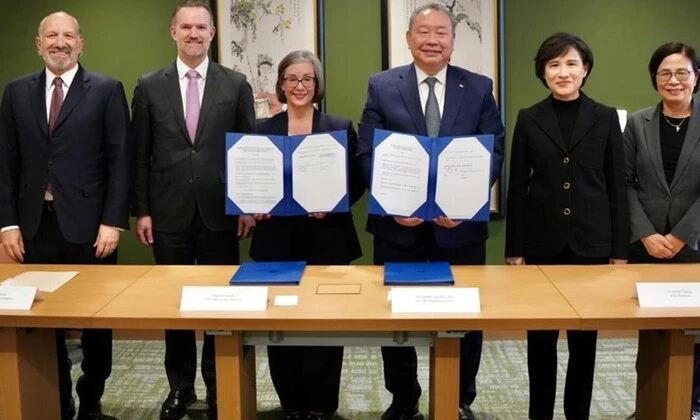
U.S.-Taiwan Trade Agreement Signed
According to Главком: The United States and Taiwan have formally signed a significant trade agreement, finalizing a deal first announced in January. This pact reduces tariffs, opens markets, and commits Taiwan to major purchases of U.S. goods, investments in energy, and cooperation on semiconductor supplies. This agreement deepens economic ties at a time of strategic competition in the Indo-Pacific region.
Key Provisions of the Agreement
Under the terms of the deal, Taiwan will purchase over $44 billion worth of U.S. liquefied natural gas and crude oil. Taiwan will also open its market to a range of American products, including:
- Meat
- Dairy products
- Wheat
- Medical devices
- Automobiles
Additionally, Taiwan has committed to buying $15 billion in civilian aircraft and parts. The agreement further outlines Taiwanese investments of approximately $25 billion in U.S. energy equipment by 2029.
The formal signing will reduce tariffs on Taiwanese goods from 20% to 15%, while the average tariff rate on exports to the U.S. will drop from 35.8% to 12.3%. The share of exports subject to reciprocal tariffs will decrease from 24% to 15.5%. Taiwan will also permit the import of ground beef and certain offal, aligning its regulations on ractopamine residues with international standards.
Separately, Taiwan had previously pledged $250 billion in direct investments and another $250 billion in state-guaranteed loans for semiconductor manufacturing in the United States. While the document does not specify the exact mechanisms for chip production spending, Taiwanese companies will receive preferential treatment to supply a certain quantity of chips to the U.S. duty-free while American manufacturing capacity is being expanded.
The agreement also envisions expanded U.S. investment in key Taiwanese sectors, including semiconductors, artificial intelligence, defense, and biotechnology. It establishes a strategic economic partnership aimed at strengthening domestic semiconductor supply chains in the U.S. U.S. Trade Representative Jamison Greer noted:
“The agreement will eliminate tariff and non-tariff barriers to U.S. exports to Taiwan, opening new opportunities for farmers, manufacturers, and small businesses.”
This deal marks a significant step in the development of U.S.-Taiwan economic relations, underscoring Taiwan's strategic importance in global supply chains, particularly for semiconductors. The tariff reductions and market openings are expected to boost bilateral trade, thereby strengthening the economic position of both parties amid global competition. The expansion of investment in high technology and energy is also likely to have long-term positive effects on innovation and technological development in the region.

Read also