Hypersonix's DART AE: A Fully 3D-Printed Vehicle Reaches Mach 8 in US Test

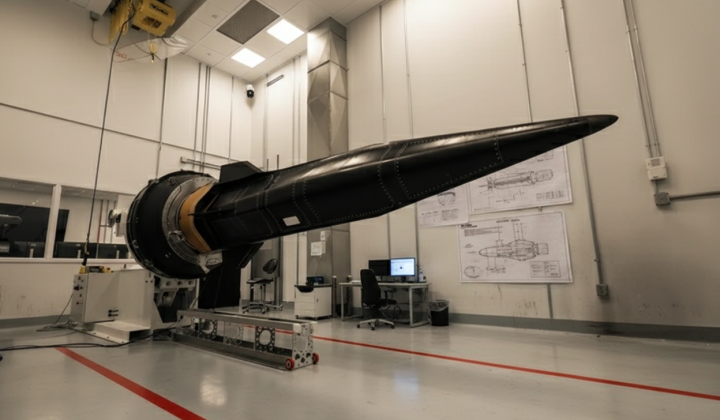
DART AE Hypersonic Vehicle Undergoes Flight Test
According to Главком: Hypersonix Launch Systems has successfully conducted a test flight of its DART AE hypersonic vehicle, which is notable for being entirely manufactured using 3D printing. This test marks a significant advancement in rapid prototyping and manufacturing for high-speed flight. The 3.5-meter-long vehicle achieved a speed of Mach 8 during the trial and has the potential to reach Mach 12 in future configurations. The launch was carried out to validate the vehicle's technologies in real-world flight conditions.
The DART AE is the world's first fully 3D-printed hypersonic vehicle, constructed from high-temperature alloys. It is powered by the SPARTAN scramjet engine, which runs on hydrogen fuel, producing only water vapor as a byproduct. The tests allowed engineers to evaluate not only the advanced materials but also the vehicle's autonomous guidance systems, gathering crucial data for comparison with pre-flight digital models.
Launch Details and Performance
The DART AE vehicle was launched aboard Rocket Lab's HASTE booster, which carried it to a suborbital trajectory and accelerated it to Mach 5. The SPARTAN engine ignited in the upper atmosphere at an altitude of approximately 26 kilometers. Following engine start, the vehicle continued its flight, covering a distance of roughly 1,000 kilometers before splashing down in the Atlantic Ocean. The total mass of the vehicle was 300 kilograms.
These trials represent a major milestone in hypersonic technology development, paving the way for new research and applications within the aerospace sector. Hypersonic vehicles like DART AE, which travel at speeds exceeding five times the speed of sound, are a key focus for both defense and commercial aerospace industries. The use of additive manufacturing for such complex vehicles promises to reduce production costs and significantly accelerate the development cycle for next-generation technologies, with potential impacts on both military and civilian aviation.

Read also