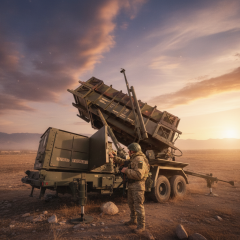
U.S. Tomahawk Arsenal Under Strain After Expending Over 850 Missiles in a Month

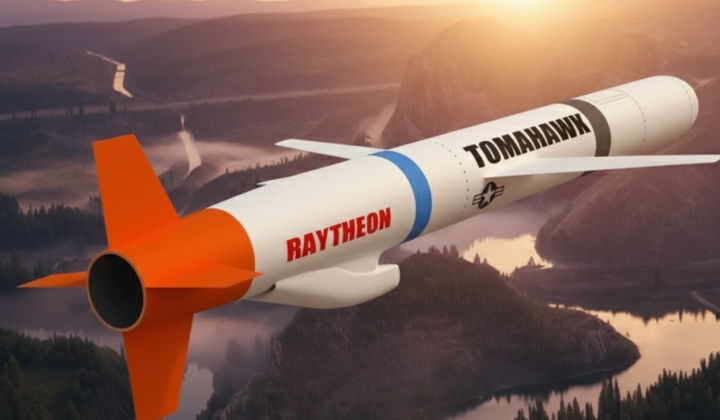
U.S. Military Expenditure in Iran Conflict
According to Главком: In a four-week military campaign against Iran, the United States has fired more than 850 Tomahawk cruise missiles. This high expenditure rate has raised significant concerns about the depletion of U.S. missile stockpiles. While the Pentagon does not publicly disclose its exact inventory, officials are reportedly considering options such as transferring missiles from other regions and ramping up production. The Tomahawk is a cornerstone of U.S. long-range precision strike capability. Concurrently, U.S. officials confirm the destruction of approximately one-third of Iran's missile arsenal during this period.
Impact of Cruise Missile Usage
First deployed in the 1991 Gulf War, the Tomahawk cruise missile can strike targets from over 1,600 kilometers away. However, annual production is limited to only a few hundred units. The recent conflict has highlighted this production bottleneck. The U.S. assesses that about one-third of Iran's missile stockpile has been destroyed, with another third in an uncertain state-these missiles may have been damaged, destroyed, or buried in the rubble of collapsed underground bunkers and tunnels.
A senior official noted that 'residual missile levels in the region are too low,' warning that 'without intervention, the situation could reach Winchester levels'-a military term indicating the complete exhaustion of a specific munition.
'The United States has sufficient resources to execute any mission, anytime, anywhere, as directed by the President.' - Sean Parnell, Pentagon Spokesman
The strain on Tomahawk inventories underscores the challenges of maintaining U.S. military readiness during sustained combat operations. Given the scale of expenditure, the U.S. may need to reassess its weapons supply chains and production strategies to ensure adequate preparedness for future missions. The demands of this conflict could influence future decisions on defense policy and strategic alliances in a volatile region.
The recent military actions have not only led to significant missile expenditure but also resulted in substantial damage to Iran's military capabilities. Reports indicate that around a considerable portion of Iran's missile inventory and naval fleet has been incapacitated, raising questions about the long-term implications for regional stability and U.S. military strategy.

Read also