U.S. Bans Russian Oil Sales After License 134B Expires

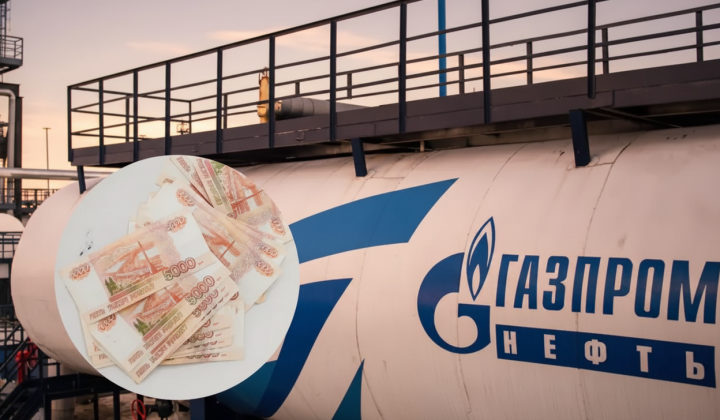
End of Temporary Authorization for Russian Oil Transactions
According to Главком: The administration of U.S. President Donald Trump chose not to renew the temporary permit for dealings involving Russian oil, which expired on May 16, 2026. License 134B, issued by the Treasury Department’s Office of Foreign Assets Control (OFAC), had authorized the sale and delivery of crude oil and petroleum products of Russian origin loaded onto tankers before April 17, 2026. The permit remained valid until 1:01 a.m. Washington time on May 16, 2026, and even covered vessels that were subject to sanctions.
Washington first introduced this mechanism in March 2026 in response to the blockade of the Strait of Hormuz and the surge in oil prices triggered by the war between Iran and Israel. The U.S. Treasury extended the license for a second time in April 2026. India and Indonesia pushed for the exemption to continue, appealing to Washington to keep it in place. However, European countries and Ukrainian President Volodymyr Zelensky opposed its renewal.
“Every dollar from the sale of Russian oil funds the war against Ukraine,” European nations stated.
President Zelensky added that during the April waiver period, Russia could have been earning over $100 million in additional revenue per day.
Restrictions and Consequences
The exemption for Russian oil transactions did not apply to shipments to Iran, North Korea, Cuba, or the temporarily occupied territories of Ukraine. The United States also allowed a similar exemption for Iranian oil operations to expire. U.S. Treasury Secretary Scott Bessent explained that 'the exemption was introduced for the sake of the most energy-vulnerable countries and to stabilize the global market amid the Middle East conflict.'
The situation remains fluid, and decisions could be revisited if market conditions deteriorate further.
The U.S. refusal to extend the license for Russian oil operations marks a significant step in the international sanctions regime against Russia, aimed at cutting off funding for military actions. This decision underscores the American administration’s willingness to align with European allies who advocate for tougher measures against Moscow over its aggression in Ukraine. At the same time, the global oil market remains tense, and future developments could affect the energy security of many nations.
The expiration of License 134B marks a significant shift in U.S. energy policy, but the complexities of global oil trade remain. To understand the broader implications of these sanctions and how they relate to ongoing negotiations, including the recent temporary waiver for Russian oil purchases at sea, you can read more about the conditions and potential consequences here.

Read also