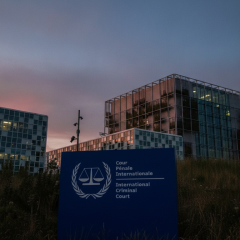
US Imposes Asset Freezes and Visa Bans on International Criminal Court Officials

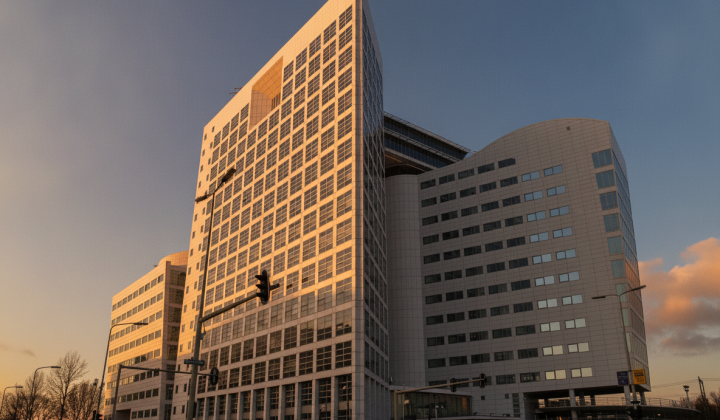
US Sanctions Target International Criminal Court
According to 5 канал: On October 9, the administration of then-President Donald Trump announced sanctions against the International Criminal Court (ICC). These measures include freezing the assets and imposing visa restrictions on specific individuals connected to the court. Despite Washington’s warnings, the ICC proceeded with its activities. ICC Deputy Prosecutor Fatou Bensouda condemned the sanctions, affirming the court’s commitment to continue its work.
US Secretary of State Marco Rubio revealed that the sanctions had been delayed for some time to allow for a response from the ICC and member states of the Rome Statute. The restrictions involve not only freezing assets within the US of those targeted but also visa bans extending to their families. Within 60 days, Treasury Secretary Steven Mnuchin and Secretary Rubio are required to provide a list of those subject to these sanctions.
Responses and Implications
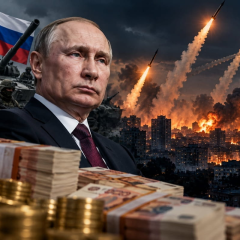
The sanctions specifically target ICC officials, including Chief Prosecutor Karim Khan, who issued an arrest warrant for Russian President Vladimir Putin. Rubio emphasized that
“President Trump will never allow the International Criminal Court to prosecute Americans,”
adding that
“we will block dealings with this illegitimate court, cutting off its resources and crippling its ability to operate.”
He further warned that
“the ICC must stop its threats, or we will put an end to it.”
In response, Fatou Bensouda stated that “these sanctions are an attack on the rule of law at the international level and undermine the work of an independent judicial institution.” She assured that “our efforts will continue across all cases, investigations, and prosecutions.”
The US move highlights escalating tensions between Washington and international judicial bodies, especially regarding probes that may involve US military personnel. It also reflects the Trump administration’s stance on shielding American citizens from international legal accountability, a position that could have significant consequences for the global justice system. The ICC’s determination to persist despite these pressures indicates a potential intensification of the conflict between the court and the United States.
The recent sanctions by the US against the International Criminal Court reflect a growing trend in global politics, where nations are increasingly imposing restrictions on entities and individuals. In a similar vein, the EU has also enacted significant sanctions against numerous Russian individuals and firms, highlighting the international community's response to geopolitical tensions. Understanding these parallel actions can provide deeper insights into the current landscape of international relations and legal accountability.

Read also