NATO's Secret Pre-Invasion Talks with Russia Revealed in Stoltenberg's Memoir

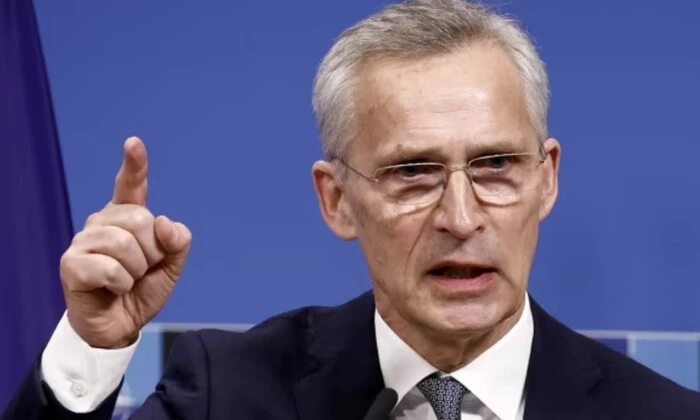
NATO-Russia Talks in 2021
According to Главком: In his memoirs, former NATO Secretary General Jens Stoltenberg details secret negotiations held with Russia in the autumn of 2021. These talks, involving Russian Foreign Minister Sergei Lavrov, explored the potential creation of a buffer zone and the withdrawal of NATO forces to their pre-1997 positions. However, Poland and the Baltic states strongly opposed making such concessions to Moscow. These discussions occurred as Russia was massing troops on Ukraine's border, a prelude to its full-scale invasion.
NATO's Response to Russian Aggression
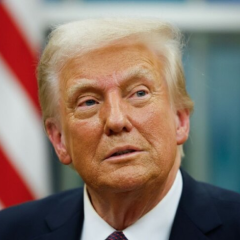
In the initial months of Russia's full-scale war, Stoltenberg did not support Ukrainian President Volodymyr Zelenskyy's request to establish a no-fly zone over Ukraine. By March 24, 2022, NATO leaders had concluded that Russia would not achieve a swift victory. Concurrently, the threat of a U.S. withdrawal from NATO during Donald Trump's presidency was considered real, despite the significant increase in American military presence in Europe that occurred under his administration.
For the first time since the end of the Cold War, we deployed combat troops to the Alliance's eastern flank. So we were by no means closing our eyes.
Jens Stoltenberg
Stoltenberg concluded his tenure as NATO Secretary General on October 1, 2024, having served in the role for over nine years.
Stoltenberg's willingness in 2021 to discuss pulling NATO forces from Eastern Europe may have been linked to the United States' subsequent public declaration of readiness to negotiate on force posture. This episode highlights the complex and tense relationship between NATO and Russia against the backdrop of the escalating conflict in Ukraine. The Alliance's refusal to enforce a no-fly zone underscores the difficult strategic calculations involved in countering Russian aggression without triggering a wider war.
As NATO navigates the complexities of its relationship with Russia, the Alliance faces additional pressures from within. The ongoing reluctance of European allies to fully support U.S. military actions, such as the potential conflict with Iran, further complicates NATO's strategic landscape. Understanding these internal dynamics is crucial for grasping the broader implications of Stoltenberg's revelations. For more insights on the challenges facing NATO, read about how European allies are responding to U.S. military initiatives.

Read also