NATO Faces Its Deepest Crisis as European Allies Refuse Support for U.S. War on Iran

NATO in Crisis
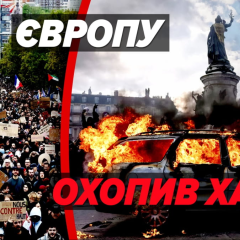
According to Главком: The NATO alliance is experiencing its most severe crisis in its 77-year history. This rupture stems from the refusal of European allies to support a potential U.S. war against Iran, a conflict that has now moved into a practical phase. In response, Europe has begun to coalesce and explore alternative defense mechanisms. Specifically, European nations have denied the United States access to their airspace and refused to participate militarily in operations in the Persian Gulf. This refusal has brought long-simmering transatlantic tensions to a head.
During a closed-door meeting in Helsinki, European leaders concluded that NATO is effectively paralyzed. The Trump administration has accused the United Kingdom, France, and Spain of refusing to provide airspace and military bases for American operations. Furthermore, Alliance representatives have stated that a conflict in the Persian Gulf would not trigger NATO's Article 5 collective defense clause, which is traditionally reserved for attacks on member states' territory in the North Atlantic area.
EU Defense Push Accelerates
This crisis is forcing the European Union to accelerate its own defense initiatives. The EU plans to allocate 150 billion euros for investments in the defense sector and is actively working on implementing Article 42.7 of its treaty, which concerns mutual defense. Amid the rising tensions, London plans to convene a virtual G7 summit-excluding the United States-to discuss reopening trade routes through the Strait of Hormuz, a critical global oil chokepoint.
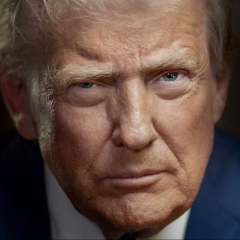
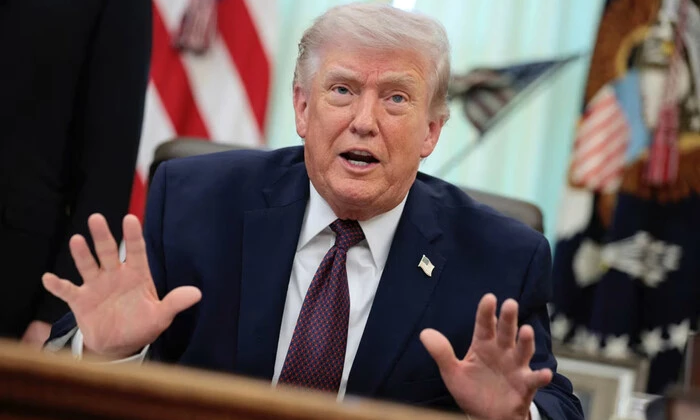
U.S. Secretary of State Mike Pompeo has suggested that America may reassess its relationship with NATO following the conclusion of the war with Iran. Commenting on the situation, Donald Trump stated:
"NATO is a paper tiger,"
adding that "the U.S. withdrawal from the defense agreement is now non-negotiable." These remarks underscore the profound depth of the crisis within the Alliance and signal a potential shift in the global balance of power.
The situation highlights serious and potentially lasting divisions between the U.S. and its European allies, with significant implications for collective security in Europe. The EU's push for greater defense autonomy and its search for alternative security frameworks reflect a growing European pragmatism in ensuring its own defense capabilities independent of U.S. support. This trend could ultimately reshape international relations, positioning Europe as a more self-reliant security actor.
The escalating tensions surrounding NATO's role in a potential conflict with Iran have prompted strong reactions from U.S. leadership. President Trump has openly threatened a reevaluation of America's commitment to the alliance, which raises significant questions about the future of transatlantic relations. To understand the implications of these developments, read more about Trump's stance on the possibility of U.S. withdrawal from NATO.

Read also