Trump's Military Doctrine: A Shift from Large-Scale Wars to Targeted Leadership Strikes

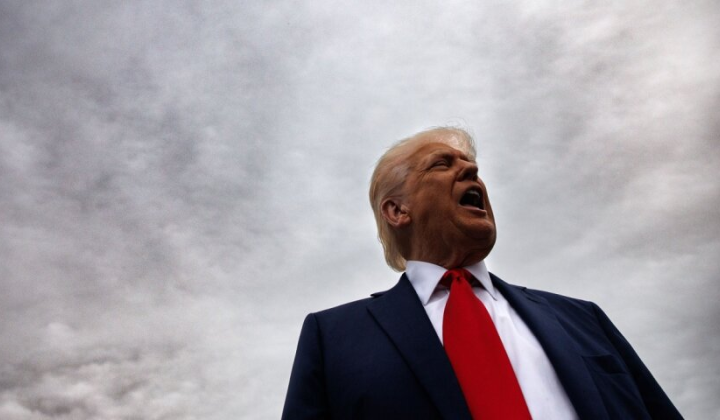
Donald Trump's Military Approach
According to ХВИЛЯ: George Friedman, founder of Geopolitical Futures, has analyzed a distinct military strategy employed by Donald Trump in Venezuela and Iran. This approach prioritizes the elimination of hostile regime leadership through airstrikes and missile attacks, aiming to circumvent prolonged ground operations. The strategy focuses on crippling a nation's nuclear capabilities and its command structure, all while minimizing direct risk to the United States.
Strategy Assessment
Friedman detailed this assessment in a Geopolitical Futures podcast. Donald Trump consistently emphasized avoiding traditional military conflicts, promising 'no wars.' In the case of Iran, Friedman noted the strategy's key components:
- Destroying nuclear potential;
- Decapitating the regime's leadership;
- Creating an opening for non-Islamist forces.
Operations under this doctrine are confined to aerial and missile strikes, deliberately avoiding the deployment of ground troops.
"He did not want a war in the style of Vietnam, Afghanistan, and so on. He did not want troops on the ground, did not want casualties, stretched out over years," stated George Friedman.
Friedman further stressed that this is 'a completely different war than in Iraq under George Bush-with infantry, heavy casualties, and long years.' He highlighted that 'ground troops are not involved, there are no infantry losses,' which is the defining feature of the new strategy. This analysis comes amid ongoing debates about the efficacy and ethics of targeted killings versus conventional warfare.
This revised military doctrine signals a shift in U.S. conflict engagement, emphasizing technological means like airstrikes over traditional troop deployments. It reflects a desire to minimize American military casualties and reduce long-term overseas commitments in conflict zones. Given rising global tensions, this model of warfare could set a precedent for future U.S. military actions.

Read also