Life Sentence for Ukrainian Soldier Convicted of Assassinating Activist Demyan Hanul in Odesa

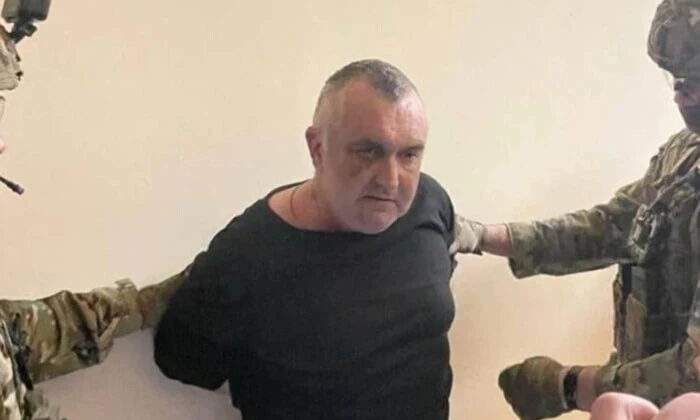
Verdict Delivered by Odesa's Prymorsky District Court
According to Главком: A Ukrainian serviceman, Serhiy Shalayev, has been sentenced to life imprisonment with asset forfeiture after being found guilty of murdering activist Demyan Hanul. The court also stripped him of his rank of senior lieutenant. The killing was carried out on the orders of a handler linked to Russian Federation intelligence services, according to the ruling.
Details of the Murder Plot
Late in 2024, a handler contacted Shalayev via messaging app and promised him a job in law enforcement if he completed a 'test assignment'-killing a person he did not know. The soldier then deserted his unit, traveled to Odesa, rented apartments, and illegally acquired a firearm and ammunition. During his preparations, he surveilled the activist.
On March 14, 2025, in central Odesa, Shalayev shot 31-year-old Demyan Hanul twice before delivering a final close-range shot. Hanul died at the scene. Following the assassination, the convict contacted the handler, who told him he had eliminated 'the wrong person' and ordered him to go into hiding. To conceal evidence of their connection, Shalayev reset his phone to factory settings. Despite this, law enforcement quickly located and arrested him the same day.
The investigation into the mastermind behind the murder continues under a separate criminal case. This high-profile incident has drawn significant attention, particularly due to the involvement of Russian intelligence agencies. The Odesa Specialized Defense Prosecutor's Office of the Southern Region is still actively pursuing leads in this matter.
This case highlights the severity of threats posed by foreign intelligence interference in Ukraine's internal affairs. - Office of the Prosecutor General
The contract killing and its surrounding circumstances expose the risks faced by activists and public figures who oppose external influence. Ongoing investigations may uncover a broader network behind these actions and could drive legislative changes aimed at strengthening human rights protections and security in Ukraine.
This recent case underscores the ongoing challenges faced by Ukrainian authorities in addressing crimes linked to foreign influence. In a related incident, a Vinnytsia blogger received a three-year sentence for fraud and insulting military personnel, illustrating the diverse threats to national security and public trust. For more on this case and its implications, see our coverage of the Vinnytsia blogger's conviction.

Read also