Sweden Becomes the World’s First Smoke-Free Nation

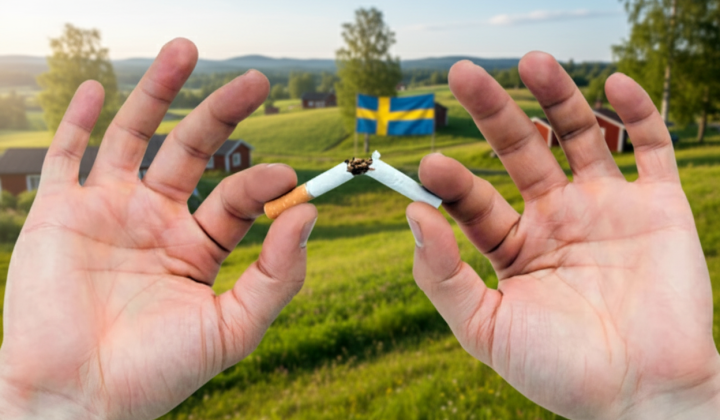
Sweden Leads Globally with Smoking Rate Below 5%
According to Главком: Sweden has achieved a historic milestone by becoming the first country worldwide where daily smoking prevalence has dropped below 5% of the population, currently at just 3.7%. This figure meets the international threshold set by the World Health Organization (WHO) to qualify as a 'smoke-free country.' The sharp decline in smoking rates is attributed to the widespread use of alternative nicotine products such as snus and nicotine pouches, combined with a comprehensive policy framework that includes high cigarette taxes, advertising bans, and proactive prevention efforts.
Currently, 3.4% of Swedes smoke occasionally rather than daily, while 30% of survey respondents reported having quit smoking after previously being regular users. Notably, 63% of the population has never smoked at all. Men smoke at slightly higher rates than women-8% compared to 6%. Since 2012, the proportion of women who smoke regularly has dropped from 9.1% to 3.8%, while among men it fell from 8% to 3.5%.
Shifts in Population Behavior
Data on nicotine product usage also highlights changing habits: the share of Swedish adults using snus or nicotine pouches rose from 13% in 2013 to 18% in 2025. Young people aged 18 to 29 are the most frequent users of these products. Nicotine pouches entered the Swedish market in 2014, which likely further contributed to the reduction in smoking rates.
In terms of pricing, a pack of cigarettes in Sweden costs between €7 and €8, while a pack of nicotine pouches is around €4, and snus costs roughly €5. According to Patrik Hildingson, a consultant for Philip Morris International and author of the book 'The Snus King':
“It is these alternative nicotine products that have helped significantly reduce the number of smokers in the country, especially among women.”
Sweden thus stands out as a compelling example of effective anti-smoking policy, offering a potential model for other nations to follow.
This achievement could have major implications for global anti-smoking campaigns, as it demonstrates how a combination of economic incentives, advertising restrictions, and the introduction of new alternative products can effectively reduce tobacco consumption. Other countries may look to Sweden’s experience in curbing smoking to adapt their own strategies and pursue similar outcomes.

Read also