Global Economy on the Brink: How Iran and Debt Burdens Threaten Ukraine

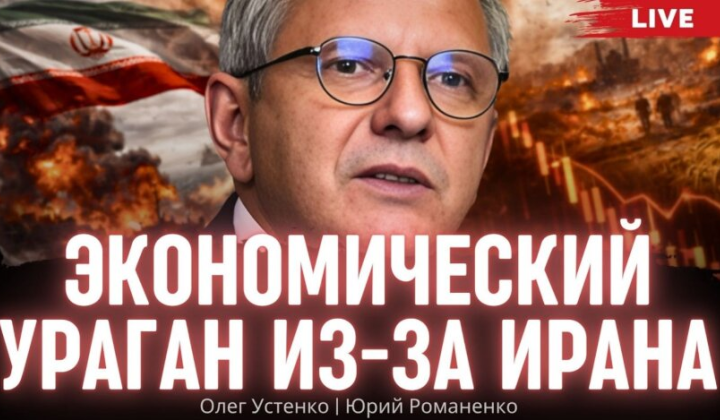
How the Iran Crisis and Gulf War Impact the Global Economy
According to ХВИЛЯ: An examination of the Iranian crisis and the war in the Persian Gulf reveals significant pressures on the global economy and Ukraine, highlighting key indicators like oil prices, debt levels, and food security. The current price of Brent crude oil is approximately $113 per barrel, indicating sustained high energy costs. This follows a peak of $120 per barrel in March 2022, underscoring ongoing market volatility. Furthermore, Iran charges $2 million for the passage of each oil tanker through its territorial waters, adding another layer of strain to the world economy. These factors are critical for Western economies heavily dependent on stable energy supplies and shipping lanes.
Mounting Debt and Economic Vulnerabilities
Global debt remains a source of major tension. The United States carries a national debt of roughly $35 trillion, with an annual servicing cost of 4%. The United Kingdom faces a similar burden, paying about 5% annually, while the European Union pays around 3%. Japan's situation is particularly severe, with a national debt-to-GDP ratio of 220%, signaling profound economic challenges.
Ukraine's own circumstances are deeply challenging. The country's current defense budget is $65 billion, whereas Russia is spending approximately $100 billion on its war against Ukraine. Ukraine faces a monthly trade deficit of about $6 billion, despite holding gold and foreign exchange reserves of around $55 billion. To bolster its economy, Ukraine plans to secure a €90 billion loan from the EU, with Hungary providing guarantees worth €1.8 billion of that total. Separately, Hungary is set to receive an investment package of roughly €20 billion from Brussels, with its national elections scheduled for April 12th.
Risks associated with a worldwide economic crisis are intensifying. Oleg Ustenko notes that
"the situation remains complex, and the risks are growing,"
estimating the probability of a global crisis developing at over 50%. Ustenko emphasizes that
"the only correct strategy in a crisis is to cut costs, not increase them."
He also believes that 'the idea of a fuel rebate is a political mistake' which could have adverse economic consequences.
Given the current climate, it is imperative for states and international organizations to take necessary steps to stabilize their economies. For Ukraine, strategies aimed at overcoming these economic challenges could prove decisive in ensuring stability amidst war and mounting debt. Proactive measures may help mitigate the negative impact of global economic crises on national economies.
As the global economy grapples with escalating tensions, the situation in Iran adds another layer of complexity. The recent demand for $2 million per tanker underscores how geopolitical developments can significantly impact energy costs and trade dynamics. To understand the broader implications of these demands and their potential influence on the ongoing crisis, explore our detailed analysis on the global crisis and its economic ramifications.

Read also