Technical Employee: Job Definition, Main Responsibilities, and Qualifications

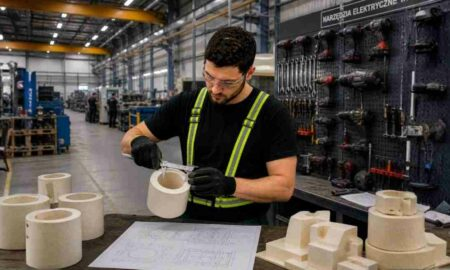
A technical employee is one of the key categories of personnel in any enterprise, institution, or organization. The stability of internal processes, the uninterrupted operation of equipment, maintaining order, documentation, and the overall organization of labor often depend on the work of technical personnel. In 2026, the demand for technical workers remains consistently high in both the public sector and private companies.
Many employers use the term 'technical employee' to denote staff who perform auxiliary, organizational, administrative, or technical functions. The specific duties can vary significantly depending on the type of activity of the enterprise. In schools, technical staff are responsible for cleaning premises and logistical support; in manufacturing companies, they handle equipment maintenance, while in offices, they support the working infrastructure.
Modern technical employees often perform multiple functions simultaneously. This is especially common in small enterprises, where employees may combine technical, administrative, and organizational tasks. As a result, employers increasingly pay attention not only to formal education but also to practical skills, responsibility, and the ability to adapt quickly to new working conditions.
The qualification of technical personnel deserves special attention. In some cases, basic skills and brief instructions are sufficient, while in others, specific knowledge, work experience, and certifications for certain technical tasks are required. Therefore, the position of a technical employee can encompass a wide range of professions and directions of activity.
Who is a Technical Employee
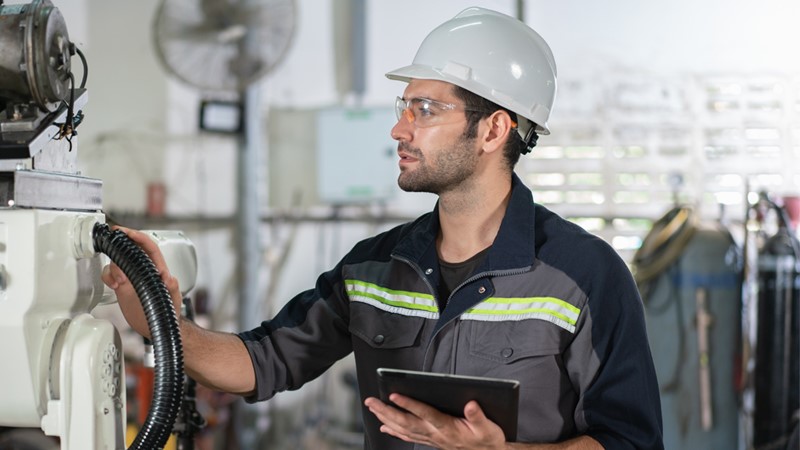
A technical employee is generally referred to as an employee who performs auxiliary, technical, administrative, or organizational functions to ensure the normal operation of an enterprise or institution. This concept does not always imply a specific profession, as technical personnel can include employees of various specializations.
In many organizations, technical employees are considered cleaners, janitors, equipment operators, warehouse workers, secretaries, archivists, laboratory technicians, electricians, system administrators, or staff from the administrative department. The main task of these employees is to support the functioning of the enterprise and create proper working conditions for the main personnel.
In labor relations, technical employees have the same rights as other employees. Their employment is formalized through an employer's order, and all duties are specified in the job description or labor contract. The specific list of functions depends on the position and nature of the company's activities.
In educational institutions, technical employees are often referred to as personnel who do not engage in teaching activities but ensure the operation of the school or kindergarten. This category may include cleaners, guards, cafeteria workers, cloakroom attendants, or maintenance workers.
In manufacturing enterprises, technical staff usually work with equipment, engineering networks, or technical systems. In such cases, employees may be required to undergo special training, safety instructions, and possess professional qualifications.
Main Tasks and Responsibilities of a Technical Employee

The responsibilities of a technical employee are defined by the position, internal rules of the enterprise, and the nature of the work. Most often, the main tasks include ensuring the proper functioning of the working process and maintaining the technical or administrative condition of the enterprise.
One of the most common responsibilities is to monitor cleanliness and order in the premises. This is particularly relevant for educational institutions, offices, medical facilities, and shopping centers. Technical personnel are responsible for the sanitary condition of the premises, territory cleaning, and waste disposal.
At manufacturing enterprises, technical employees may service equipment, check its operability, carry out minor repairs, or monitor the technical condition of systems. In some cases, their functions may include equipment setup and ensuring the continuous operation of production.
Office technical staff often perform organizational tasks: maintaining documentation, processing internal correspondence, controlling administrative materials, or providing technical support for the office. Such employees may be responsible for the operation of printers, computers, networks, or office equipment.
Their duties may also include:
- monitoring compliance with safety regulations;
- providing employees with necessary materials;
- participating in logistical work;
- keeping records of equipment;
- performing tasks assigned by management;
- monitoring the state of engineering communications.
In 2026, employers increasingly expect versatility from technical staff. This is why many employees combine multiple functions simultaneously, especially in the private sector or small enterprises.
Types of Technical Employees
The technical employee category encompasses a wide range of professions and positions. Technical personnel can be conditionally divided into several main groups depending on the nature of the work.
The first group includes administrative workers. This includes cleaners, janitors, cloakroom attendants, warehouse workers, and other staff responsible for maintaining the condition of the premises and territory of the enterprise. Their work is particularly important in schools, hospitals, offices, and government institutions.

The second category consists of technical specialists. This includes electricians, plumbers, mechanics, equipment operators, technicians for repairing machinery, and other employees responsible for servicing systems and mechanisms.
The third group is the administrative-technical staff. This includes secretaries, archivists, data entry operators, dispatchers, or technical support staff. They deal with documentation, internal coordination, and organizational issues.
A separate category comprises IT specialists in technical fields. In modern companies, system administrators, technical consultants, and support staff may also belong to technical personnel.
In large enterprises, technical personnel may be divided by qualification level, complexity of work, and functional responsibilities. Often, junior technical staff and higher-category technical specialists are separately identified.
Qualification Requirements for a Technical Employee
Qualification requirements depend on the specific position and nature of the work. For some technical professions, a secondary education and brief on-the-job training are sufficient. At the same time, other positions require professional training, work experience, and specific certifications.
For example, employers rarely require special education for cleaners or cloakroom attendants. Instead, professional knowledge and practical skills are necessary for electricians, equipment operators, or system administrators.

In many cases, a technical employee must know:
- occupational safety rules;
- safety techniques;
- internal labor order;
- equipment usage procedures;
- basics of sanitary regulations;
- rules for operating technical systems.
For certain positions, medical examinations, instructions, or certification may be mandatory. This is particularly relevant for employees who deal with electrical equipment, hazardous machinery, or special technical means.
In 2026, employers are increasingly paying attention to personal qualities, not just diplomas. For technical personnel, responsibility, attentiveness, discipline, and the ability to react quickly to non-standard situations remain important.
Rights and Responsibilities of a Technical Employee
A technical employee has the right to official employment, safe working conditions, timely payment for work, and social guarantees. Like other employees, they are entitled to vacations, sick leave, protection of labor rights, and proper conditions for fulfilling duties.
Employees can also demand to be provided with necessary tools, work clothing, technical means, and materials. If an employer fails to create proper working conditions, an employee has the right to appeal to management or regulating authorities.
At the same time, technical personnel bears responsibility for improper fulfillment of their duties. This may relate to violations of safety regulations, damage to property, non-fulfillment of job descriptions, or negligence toward work.
In some cases, employees may bear material responsibility for equipment or property in their use. These conditions are usually stipulated in the labor contract or a separate agreement.
Features of Technical Personnel Work in an Enterprise
The work of technical personnel directly depends on the field of activity of the enterprise. In production, employees often work in shifts and are responsible for the continuity of technical processes. In offices, technical staff are more involved in organizational and administrative tasks.
In educational and medical institutions, technical personnel play an important role in maintaining sanitary conditions, security, and proper operation of the institution. The comfort of other employees and visitors often depends on these workers.
In modern companies, technical personnel increasingly work with digital systems, automated processes, and modern equipment. This means that even basic technical positions gradually require new skills and the ability to work with technology.
In the context of martial law and unstable economic situations in Ukraine, technical personnel remain one of the most important categories of workers for maintaining the stable operation of enterprises, institutions, and organizations.
Common Mistakes in Preparing Job Descriptions for Technical Employees
The job description of a technical employee is one of the main internal documents of the enterprise, defining the functions, rights, responsibilities, and accountability of the employee. Despite this, many employers continue to prepare such documents formally or use outdated templates without accounting for the real working conditions. This often leads to labor disputes, misunderstandings between employees and employers, or problems during inspections.
One of the most common mistakes is vague formulation of job responsibilities. For example, the document may use general phrases like 'performing technical work' or 'ensuring operational activities' without a specific list of functions. As a result, an employee does not have a clear understanding of their tasks, and the employer experiences difficulties in assessing work quality.

Another issue is the excessive burden of the job description with additional functions that do not match the position. In practice, a technical employee may be assigned the duties of several employees simultaneously. For example, a cleaner may be additionally tasked with functions of a loader, janitor, or warehouse worker without formalizing the combination of positions. Such situations often lead to conflicts and violations of labor legislation.
A common mistake is also the absence of clearly defined responsibilities of the employee. If the job description does not specify what exactly the technical employee is responsible for, disputes may arise in the future regarding damage to property, shortcomings in work, or violations of the enterprise's internal rules.
In some organizations, job descriptions are not updated for years. As a result, the document does not reflect modern working conditions, new equipment, or the actual functions of the employee. This is particularly relevant for enterprises that implement automation or digital systems but continue using old instructions without changes.
Another problem is the lack of familiarization of the employee with the job description under signature. Formally, the document may exist, but if the employee has not officially confirmed their familiarization, it will be difficult for the employer to prove violations of labor obligations in the event of a dispute.
Employers often do not specify the conditions for the technical employee's interaction with other structural units. This leads to confusion in task execution, duplication of functions, or conflicts between employees. For instance, it may be unclear who is responsible for equipment repairs, procurement of materials, or monitoring the technical condition of the premises.
Special attention should be paid to the issue of occupational safety. The job descriptions of technical personnel must clearly state safety requirements, rules for using equipment, and procedures to follow in emergency situations. The absence of such points can create serious risks for both the employee and the enterprise itself.
Sometimes, documents include wording that contradicts labor legislation. For example, employers may insert provisions about unlimited working hours, execution of any assignments without specification, or complete material responsibility without legal grounds. Such conditions may be deemed unlawful.
A correctly formatted job description helps avoid many problems. It should contain a specific list of functions, employee rights, conditions of responsibility, qualification requirements, and the procedure for interaction with management. This is particularly important for technical personnel, as these employees often perform a wide range of tasks simultaneously.
The Role of the Technical Employee in Ensuring the Organization's Functioning
The technical employee plays a significantly more important role in the work of the organization than it may seem at first glance. It is the technical staff that ensures the stability of daily processes, maintains the proper state of premises, equipment, and internal infrastructure of the enterprise. Without such work, the full functioning of most organizations would be practically impossible.
In modern companies, technical personnel often serves as internal support for all other employees. For example, in cases of equipment malfunction, communication issues, or administrative problems, it is the technical employees who first respond to the situation and help quickly resume normal operations.
For manufacturing enterprises, technical personnel holds strategic importance. The operability of equipment, control of technical systems, and timely maintenance of mechanisms directly affect the continuity of the production process. Even a minor malfunction can lead to downtime, financial losses, or disruption of the enterprise's activity.
In educational and healthcare institutions, the role of technical employees is also extraordinarily important. They are responsible for the sanitary conditions of the premises, operational communications, preparing rooms for work, and adhering to basic safety conditions. The significance of this role has particularly grown following the strengthening of sanitary requirements and increased attention to hygiene in public spaces.
In an office environment, technical personnel provide comfortable conditions for employees. This includes servicing office equipment, monitoring administrative materials, maintaining order, and resolving technical issues. In large companies, such employees often become an integral part of the internal organizational system.
It is worth noting the role of technical personnel in crisis situations. During emergencies, power outages, equipment damage, or extraordinary events, it is often the technical employees who ensure rapid response and help minimize the consequences of the problem.
In 2026, technical personnel increasingly work with modern technologies and automated systems. This gradually shifts the role of the technical employee from a simple executor of administrative functions to a specialist who ensures the technical stability of the enterprise's operations.
Many organizations already understand that the quality of technical personnel work directly influences the productivity of the entire company. This is why employers are gradually paying more attention to staff selection, training employees, and creating proper working conditions for technical staff.

Read also