How Ukrainian Officials Use Public Funds to Build Political Power on Telegram

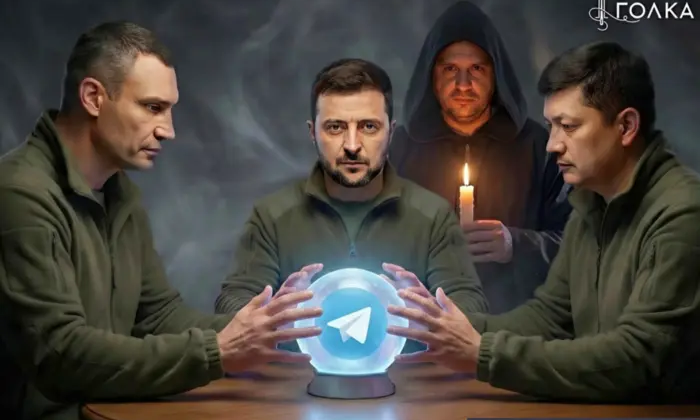
State-Funded Telegram Channels: A New Political Advantage in Ukraine
According to Главком: A study of Telegram channels run by Ukrainian officials and politicians reveals a significant issue: channels developed using public money can provide a major edge in elections. The research documented the personal branding of these channels, their migration with officials who change posts, and a concerning lack of proper regulation. In Ukraine, numerous public servants operate personal Telegram channels, which can shape public opinion and sway electoral outcomes.
This practice has become a key feature of Ukraine's digital political landscape, especially since the app's popularity surged during the full-scale invasion. Among the prominent officials known to run such channels are:
- President Volodymyr Zelenskyy
- Newly appointed Defense Minister Mykhailo Fedorov
- Prosecutor General Ruslan Kravchenko
Further findings from the civic initiative 'Holka' show that half of the Telegram channels belonging to military-civilian administrations include the surname of the administration's head in their username. This personalization boosts the name recognition of these politicians among the local population.
Some politicians have amassed substantial followings through these channels, including:
- Oleksiy Honcharenko, with over 230,000 subscribers
- Yaroslav Zhelezniak, with nearly 100,000 subscribers
Conversely, the channel of Vitaliy Koval, former head of the Rivne Regional Military Administration, which had 62,000 subscribers, has become inactive following the liquidation of the Ministry of Agrarian Policy and Food of Ukraine. Similarly, the channel of Andriy Yermak went dormant after searches by anti-corruption agencies.
The Urgent Need for Regulation
A critical trend is that currently, every other head of a military administration has personalized their Telegram channel's name. In response, a working group in the Verkhovna Rada is drafting legislative amendments concerning social media use, highlighting the recognized need to regulate this process. As MP Ihor Rozkladai noted:
“In the Verkhovna Rada, when a person left the position of secretary for one of the committees, they took the access to the Facebook page with them, and the committee couldn't recover it.”
This underscores the vital importance of regulating access to resources created with taxpayer funds. Notably, the mayor of Uzhhorod does not run a personal Telegram channel. Furthermore, cities like Zhytomyr, Zaporizhzhia, and Chernihiv lack such personalized channels, indicating an uneven development of communication strategies among local officials. Tetiana Khabibrakhmanova pointed to the necessity of finding systemic solutions to replace Telegram, moving away from Russian antivirus or accounting software.
Therefore, the use of Telegram channels by Ukrainian officials is not merely a communication tool but has evolved into a potent element of political competition. This demands proper regulation to ensure transparency and fairness in electoral processes.
The widespread use of these channels points to new challenges in political communication. The personalization of state-funded platforms helps politicians build personal brands, which can directly influence election results. The current regulatory vacuum creates risks for democratic integrity, as public resources are leveraged for personal political gain, potentially distorting public discourse and the objectivity of elections.

Read also