Over 95% Accuracy: New One-Hour Test Detects Oral Cancer

A Breakthrough in Oral Cancer Detection
According to НВ — Техно: Findings published on July 8, 2023, in the journal Biomarker Research introduce a novel technology called qMIDS (quantitative malignancy diagnostic system) that could dramatically improve how oral cancer is diagnosed. This method enables early detection of the disease in just one hour, boasting an accuracy rate exceeding 95.5%. The study involved 545 patients with potentially malignant lesions, validating the technique’s promise.
How qMIDS Works
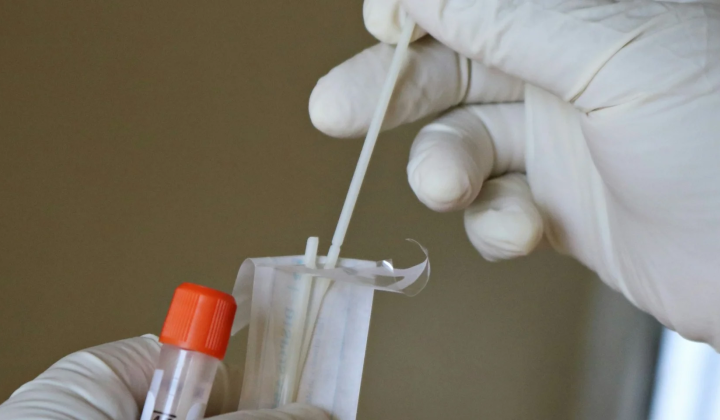
The qMIDS procedure involves taking a brush smear from both the affected area and a healthy part of the oral mucosa. It then analyzes the expression levels of four specific cancer-related genes. Crucially, the rate of false positives and false negatives in the test results was under 5%, highlighting the method’s reliability-a critical factor in early cancer diagnosis.
Global statistics show that since 1990, both the incidence of and mortality from oral cancer have more than doubled. Key drivers behind this increase include:
- smoking
- alcohol consumption
- the spread of the human papillomavirus
Against this backdrop, qMIDS could become a vital tool in combating this dangerous disease.
Experts predict that qMIDS will be widely adopted in clinical practice within the next two years. As Muy-Teck Teh, an oral oncologist at Queen Mary University of London, noted:
“the biological signal from the four target genes is so strong that it can be easily captured from superficial cells without the need for deep surgical intervention.”
This technology has the potential to transform early oral cancer detection, opening up new possibilities for patients.
Given the rising rates of oral cancer, qMIDS could serve as a crucial instrument for improving early diagnosis and, consequently, boosting the chances of successful treatment. Its integration into clinical practice would not only reduce the number of false positives and false negatives but also enhance the overall effectiveness of cancer care. Further research and implementation of qMIDS could significantly shift the landscape of oncology, particularly for oral cancer.
In addition to advancements in oral cancer detection, recent research has also made significant strides in understanding pancreatic tumors. Specifically, scientists have found a way to inhibit cancer cell migration by 90%, which could lead to more effective treatments. To explore how these discoveries are shaping the future of cancer therapy, read more about this promising development here.

Read also