Temporary protection in Germany - conditions for obtaining and rights for Ukrainians

Since the beginning of the full-scale war in Ukraine, Germany has become one of the main destinations for Ukrainian refugees. Millions of people have found shelter here thanks to a special status called 'temporary protection'.
German legislation, guided by the directives of the European Union, has introduced a simplified procedure for entry and registration for Ukrainian citizens. This status allows them to legally stay in the country, receive social assistance, find employment, and attend language courses.
Unlike the standard asylum application procedure, temporary protection does not require proving individual risks of persecution. It is granted automatically due to the fact of war in Ukraine. Understanding the conditions for obtaining, rights, and obligations is critically important for those planning to stay in Germany for an extended period: the question of what temporary protection in Germany is remains relevant.
What is temporary protection in Germany and its legal basis
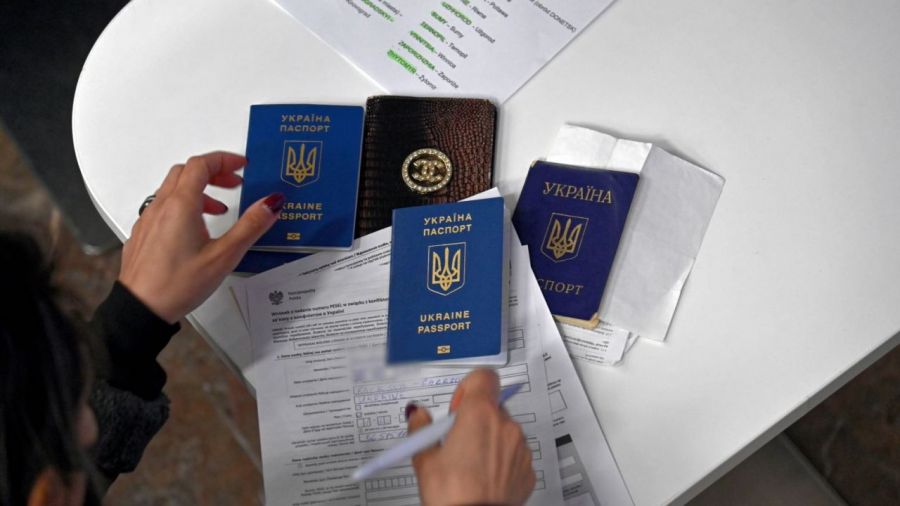
Temporary protection is a special status granted to foreigners in cases of a massive influx of refugees. The legal basis for its introduction is the EU Directive 2001/55/EG. Germany activated this mechanism in March 2022. The status is granted for an initial period of one year with the possibility of further extension. It exempts applicants from undergoing a lengthy asylum procedure. The main goal is to provide rapid protection to a large number of people without bureaucratic obstacles. The status is not permanent. It remains in effect as long as there is a threat to life and health in the home country. The legal basis for the stay of Ukrainians is paragraph 24 of the Residence Act.
Who can obtain temporary protection in Germany
The temporary protection status is designated for several categories of persons. Citizens of Ukraine who were living in Ukraine before February 24, 2022. Their family members, even if they do not hold Ukrainian citizenship. Foreigners who had refugee status or additional protection in Ukraine. Stateless persons who legally resided in Ukraine. An important condition is arrival in Germany after the outbreak of the war. Those who entered earlier must provide specific grounds.
Procedure for obtaining temporary protection in Germany
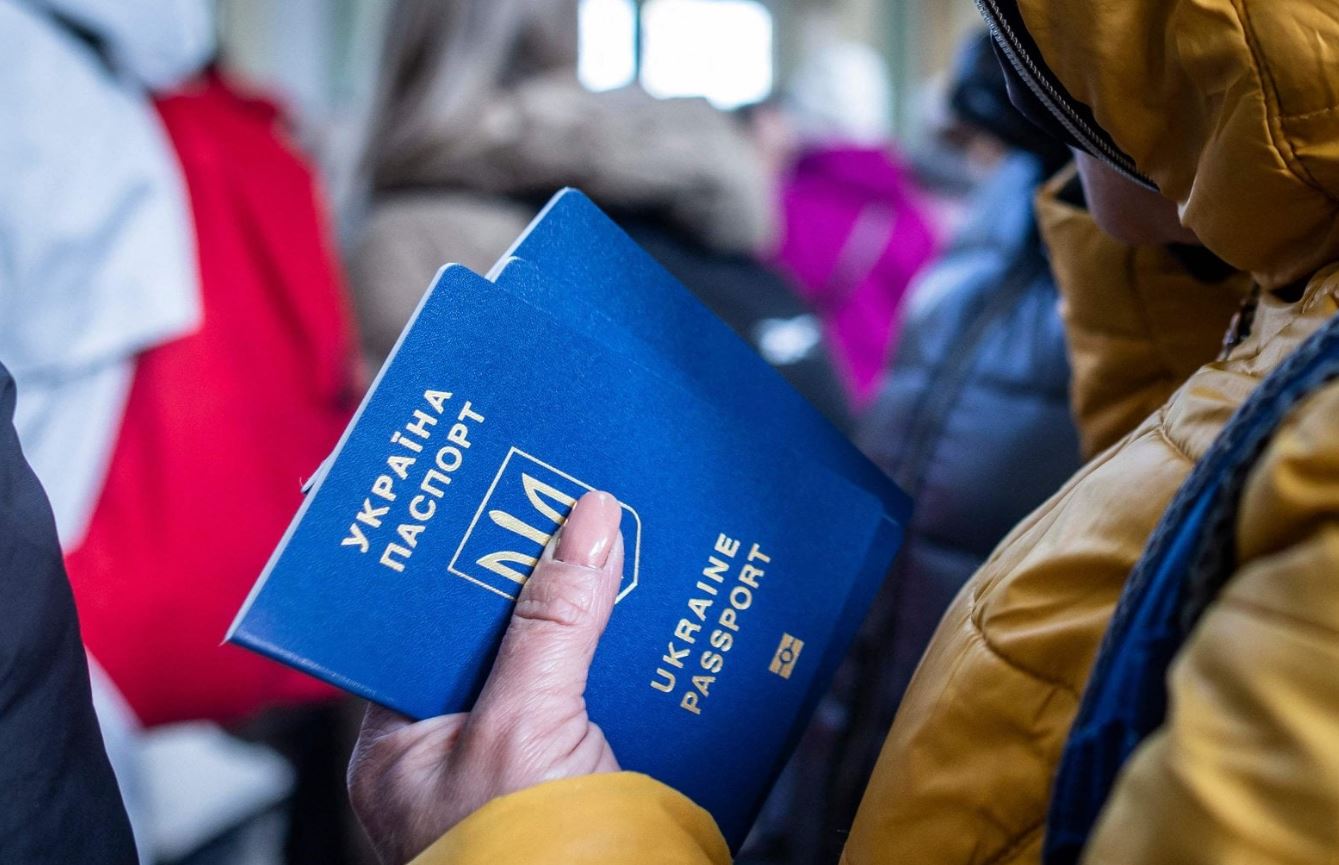
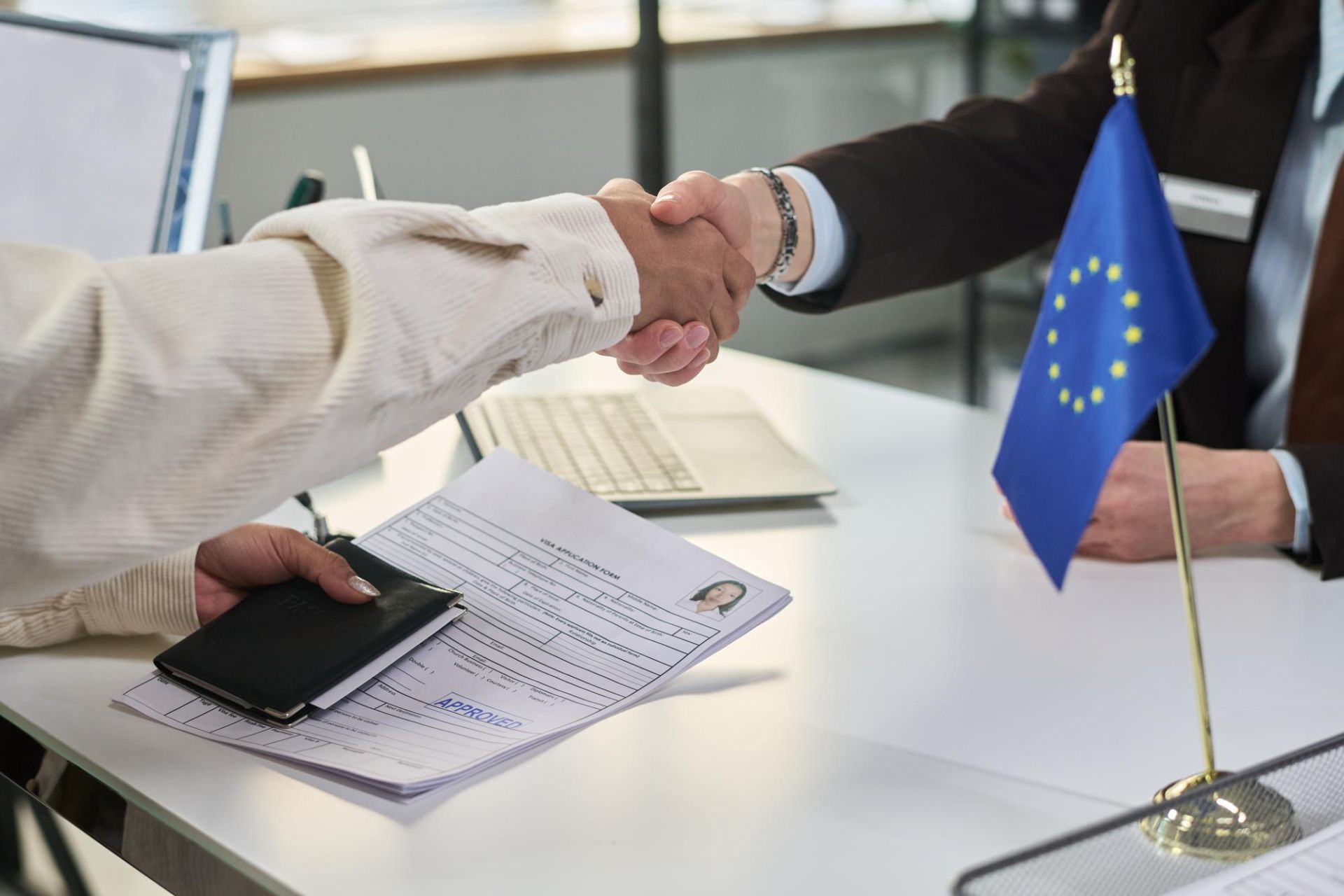
The procedure for obtaining the status consists of several stages. After arriving in Germany, one must register with the local authority. This can be a migration service or a reception center. The next step is to submit an application for temporary protection.
The following documents will be required:
- Foreign passport.
- Birth certificates of children.
- Documents confirming family ties.
After submitting the application, a registration certificate is issued. It allows for temporary residence and work. Later, a plastic card is issued.
Rights and opportunities of persons with temporary protection
The status provides the following key rights:
- Legal residence in Germany.
- Access to the labor market without additional permits.
- Right to receive social assistance.
- Medical care.
- Attendance of integration and language courses.
Living conditions and social support in Germany
Individuals with temporary protection are provided with accommodation. Primarily, this is in refugee centers. After registration, one can rent private housing.
Restrictions and obligations during temporary protection
Despite the wide range of rights, temporary protection in Germany imposes a number of restrictions and obligations on its holders that must be strictly adhered to. The first restriction concerns the area of residence. After arrival and registration, a specific federal state or even a city for residence is assigned. During the first three months, it is prohibited to change the place of residence without obtaining the corresponding permission from the migration service. This is done to evenly distribute the load on the social infrastructure among different regions of the country.
The second restriction concerns freedom of movement within the European Union. A person with temporary protection can stay in other Schengen countries for no more than 90 days within any 180-day period. For longer trips or moving to another EU country, one must obtain separate permission or apply for status there anew. The third restriction concerns access to certain types of social assistance. Some payments, specifically housing benefits for employed persons, may only be granted after a certain period of residence in the country.
Regarding obligations, the most important is the obligation to inform the migration service about any changes in residence, marital status, birth of a child, or change of employer. The individual is also required to attend integration and language courses if directed by the refugee office. Refusal to attend courses without a valid reason may lead to a reduction in social benefits. The individual must provide accurate information during registration and when extending the status. Concealing the existence of assets or income is considered fraud.
Violating any of these obligations may result in the cancellation of the temporary protection status, fines, or even deportation. Furthermore, it is important to timely extend the residence permit. If the deadline is missed, even by one day, the stay will become illegal.
Temporary protection status for Ukrainians in Germany
As of 2026, temporary protection for Ukrainians in Germany continues to be in effect. Its legal basis is paragraph 24 of the German Residence Act, Labor Activation and Integration of Foreigners Law. This status is not permanent. It is granted for a limited period, typically from one to two years, with a subsequent possible extension by government decision.
A key feature of the German model of temporary protection is that it provides full access to the labor market from day one, without the need to undergo checks for German candidates. This means that a Ukrainian can be employed in any position, including highly qualified jobs, immediately after obtaining permission. It is also important that knowledge of the German language is not required to obtain the status. Integration courses are voluntary, but it is recommended to attend them for easier communication and employment in the future.
The status grants the right to health insurance. During the first 18 months, a simplified system for accessing doctors operates without the need to obtain an electronic health insurance card. After this period, regular insurance is issued. Social assistance (Bürgergeld) is provided at a level that meets basic needs for food, clothing, and housing. The amount of assistance depends on marital status and the number of children. It is important to highlight the right to attend kindergartens and schools. Children of Ukrainian refugees have the right to free education on par with German children. Regarding the possibility of traveling to Ukraine: it is allowed, but prolonged stay outside Germany (more than 6 months) may constitute grounds for losing the status, as it will be considered that the threat to the individual has passed.
Frequently asked questions about temporary protection in Germany
In practice, Ukrainians have many common questions. The most frequently asked question is whether one can work remotely for a Ukrainian company while in Germany. Yes, this is possible, but tax implications should be considered. If you are permanently residing in Germany, you are required to pay German income taxes, even if the employer is Ukrainian. Failure to comply with this rule is considered tax fraud. The second common question concerns the extension of the passport. If the foreign passport expires, it must be exchanged at the Ukrainian consulate in Germany. The Ukrainian embassy in Berlin and the consulates in other cities accept applications for new passports. Without a valid passport, it is impossible to extend temporary protection.
The third question concerns the possibility of inviting relatives from Ukraine. The temporary protection status does not automatically grant the right to family reunification. Parents, adult children, or other relatives must arrive in Germany independently and apply for status. The fourth question: can one study at a university? Yes, individuals with temporary protection have the right to enroll in German higher education institutions on general grounds. However, a condition is the recognition of previous education and sufficient knowledge of the German language (typically B2 or C1). The fifth question: does receiving social assistance affect future residence permits.
Receiving basic social assistance (Bürgergeld) is not grounds for refusal to extend status or receive permanent residence in the future. However, to obtain permanent residency (Niederlassungserlaubnis) after five years, one must prove that they worked for the majority of the time and did not receive social assistance. The sixth question: do I need to close bank accounts in Ukraine? No, you do not need to. You can have accounts in both countries. However, you are required to declare all income and savings to the German tax authorities. If the amount of savings exceeds a certain limit, it will affect the right to receive social assistance. The seventh question: can I obtain a driver's license? Yes, Ukrainian driver's licenses are valid in Germany for the first 6 months after beginning residence. After this period, they must be exchanged for German ones. The exchange procedure requires passing a theoretical exam in some cases.

Read also