Russia and Iran's Shadow Oil Market in Crisis as Millions of Barrels Go Unsold

Shadow Oil Market Crisis Hits Russia and Iran
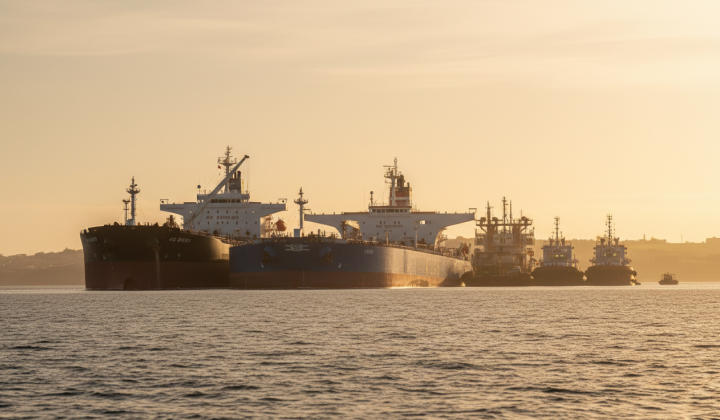
According to ХВИЛЯ: A crisis is unfolding in the shadow oil market for Russia and Iran, driven by a massive buildup of unsold crude and a shift by buyers toward legal supplies. The surplus on this black market now exceeds 100 million barrels, with the value of the stranded oil estimated at a minimum of $5 billion. This presents a severe challenge for nations that have traditionally relied on smuggling, an operation that once saw a daily turnover of $1 billion. This illicit trade has been a critical, though opaque, part of the global energy landscape for years.
Shifting Buyer Behavior and Sanctions Impact
A primary cause of the crisis is a major shift in purchasing behavior by India, which previously bought over 2 million barrels of shadow oil per day. In January, India's oil imports from Russia plunged by 35% to 1.3 million barrels per day. Forecasts for Indian purchases in February and March are now only 800,000 to 900,000 barrels per day. Furthermore, the easing of sanctions on Venezuela has returned approximately 800,000 barrels per day to the legal market, further undercutting demand for shadow oil.
Compounding the problem, the volume of Russian and Iranian oil held in floating storage has surged to 58 million barrels, a dramatic increase from the 6 million barrels recorded at the start of 2025. Javier Blas, an energy expert, observed:
"For the first time, I'm seeing cracks in this illicit business. Millions of barrels of unsold Iranian and Russian oil are piling up in storage." - Javier Blas
Key buyers of the sanctioned crude, including India and Turkey, are diversifying their supply sources. Indian refiners have begun purchasing non-sanctioned oil from a variety of regions, such as:
- The Middle East
- West Africa
- Brazil
- Guyana
- The United States
- Argentina
This trend signals that the Russian and Iranian shadow oil market is confronting serious challenges as its traditional supply channels lose relevance.
The situation reflects broader shifts in global energy trends and the tangible impact of international sanctions. The pivot by buyers to legal supplies and the reduced demand from India could lead to further downward pressure on oil prices and increased economic strain on both Russia and Iran. Faced with mounting surpluses, countries dependent on smuggling may be forced to seek new ways to adapt to the changing market, with potential long-term consequences for their economic stability and the political dynamics of the region.

Read also