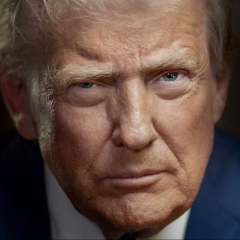
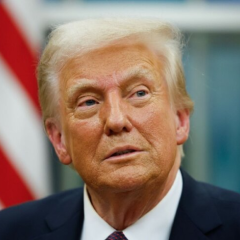
Trump Launches a $1.8 Billion Fund to Conceal Information

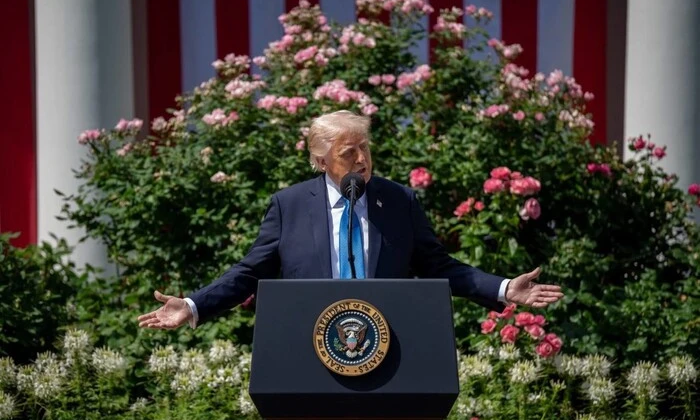
Corrupt Actions During Donald Trump's Presidency
According to Главком: During Donald Trump's second term in office, serious allegations of corruption have emerged, sparking widespread public outrage. One of the most controversial developments is the creation of a $1.8 billion government fund, which critics say is designed to hide information. The fund has drawn sharp criticism because its operations risk financing paramilitary groups. In the midst of these events, Trump, along with his two sons and the family business, filed a $10 billion lawsuit against the U.S. government over a leak of their tax returns. The settlement reached in that case prohibits the government from conducting any further audits of the Trumps' taxes or their business interests.
This situation has generated significant anger, as the family could have faced fines of $100 million or more. Acting Attorney General Todd Blanch confirmed that the order barring audits is meant to be permanent. In protest, the chief lawyer for the Treasury Department resigned. Former Justice Department special counsel Brendan Ballou described the move as
“the most corrupt act in American history and Trump’s most disgraceful deed since January 6, 2021.”
Pardons and Corruption Schemes
Additionally, Trump has shown corrupt tendencies by pardoning convicted criminals after receiving donations. For instance, Trevor Milton, the head of an electric vehicle company, donated nearly a million dollars to a pro-Trump group before receiving a pardon. Five members of the Proud Boys have sued the government for $100 million, while Andrew Paul Johnson, convicted for his role in the Capitol riot and child molestation, has promised victims a share of millions from the government. Democratic senators demanded that Todd Blanch guarantee that criminals would not receive payouts from the fund, but Blanch refused, stating that a five-person commission he would appoint would make the decision.
In this context, it is important to note that the 14th Amendment to the Constitution prohibits payments that aid insurrection, while the 1997 Hyde Amendment does not apply to individuals who have been lawfully convicted. An article published in The Atlantic compares corruption in Ukraine, the United States, and Russia, further highlighting the relevance of these events. The article mentions names like Jared Kushner and Steve Witkoff, pointing to a broader network of corruption schemes potentially tied to Trump and his inner circle.
These developments underscore the seriousness of the corruption allegations against Donald Trump and his family, which could have far-reaching consequences not only for them but also for the political landscape in the United States. The question arises about the possibility of systemic reforms that could prevent similar cases in the future and ensure transparency in state financial matters. Amid growing public discontent, such cases may serve as a catalyst for changing political norms and practices in the country.
In light of these troubling developments, it's important to consider the recent initiatives aimed at addressing political injustices. The U.S. Justice Department's establishment of a $1.8 billion fund to assist victims of political persecution highlights the contrasting approaches to governance and accountability during this tumultuous period.

Read also