Key Cybersecurity and AI Advisors Depart from Trump Administration

Resignations of Top Officials in Cybersecurity and Artificial Intelligence
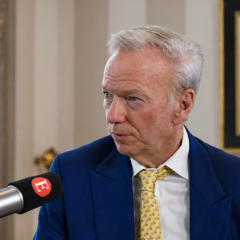
According to Главком: The administration of U.S. President Donald Trump is facing departures of senior officials responsible for cybersecurity and artificial intelligence (AI) regulation. Among those leaving their roles is Thomas Lind, who served as director of policy for the U.S. National Cyber Director’s office and senior advisor to the national cyber director. According to sources cited by Politico, Lind stated he 'decided to leave public service to spend more time with his family.'
In addition to Lind, Alexandra Seymour, his former deputy, also resigned last week. Another official, Sriram Krishnan, a senior White House advisor on AI, plans to step down by the end of this month. These personnel changes come amid ongoing reforms in security and emerging technology regulation, marking a notable shift in the administration’s tech policy team.
Executive Order on Artificial Intelligence and Its Implications
Alongside the resignations, the U.S. president signed an executive order on artificial intelligence on June 2. The order introduces a voluntary safety review system, requiring developers such as OpenAI and Anthropic to submit new AI models for government evaluation 30 days before their release. Anthropic has already announced the creation of a model capable of identifying vulnerabilities in digital infrastructure.
Thomas Lind was involved in preparing the new executive order and held consultations with representatives from companies including Google, Anthropic, and OpenAI. The U.S. National Cyber Director, Sean Cairncross, continues to fulfill his duties. As White House spokesperson Liz Huston noted:
“Cairncross is effectively carrying out his responsibilities, and his office is collaborating with the private sector and federal agencies to implement the Trump administration’s priorities.”
These developments highlight the Trump administration’s intensified efforts in AI regulation and cybersecurity, despite the turnover among key personnel. The resignations of top cybersecurity and AI officials may signal policy shifts in how the administration manages cutting-edge technologies. The signing of the AI executive order and the introduction of new requirements for developers reflect the administration’s intent to strengthen oversight of technological progress, even amid staffing changes. This could influence future security and regulatory initiatives, as well as collaboration with the private sector in these areas.
The recent changes in key cybersecurity and AI positions have sparked discussions about the future direction of technology policy under the Trump administration. In light of these resignations, it's important to understand the implications of the executive order signed by Trump regarding AI oversight, which aims to establish a framework for evaluating new AI technologies before their public release.

Read also