Trump Urges Chinese Intervention in Strait of Hormuz, Beijing Responds with Caution

Trump's Statement and China's Position
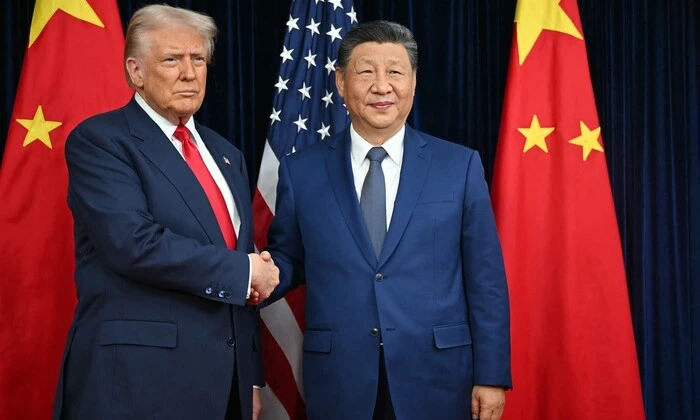
According to Главком: U.S. President Donald Trump has called on China to assist in securing the Strait of Hormuz, arguing that nations benefiting from this crucial maritime artery should help guarantee its safety. Trump stated:
'It is entirely appropriate for the people who are the beneficiaries of the Strait to help make sure nothing bad happens there.'
China, however, is avoiding direct military commitments. Instead, it continues to pursue diplomatic negotiations and positions itself as a mediator in international affairs. This approach aligns with China's broader strategy, as it has built up substantial strategic petroleum reserves and invested heavily in alternative energy. Notably, in 2023, China successfully mediated a reconciliation between Saudi Arabia and Iran, demonstrating its active and growing role in regional diplomacy.
Iran's Stance and Regional Trade Implications
Iran has indicated it might allow tankers to pass through the Strait of Hormuz on the condition that payments are made in Chinese yuan, a move that could significantly alter regional trade dynamics. The Strait is the primary shipping route for crude oil from Saudi Arabia and Kuwait. However, an advisor to the commander of Iran's Islamic Revolutionary Guard Corps has warned that vessels in the waterway could become targets for attacks, underscoring the persistent security risks in this strategic zone.
Amidst these developments, a recent U.S. Supreme Court ruling has limited the President's authority to unilaterally impose tariffs, a decision that could impact future U.S.-China economic relations. Currently, economic delegations from both nations are holding talks in Paris, focusing on issues related to agriculture and critical minerals. These negotiations represent a potential step toward deeper cooperation between the two economic giants at a time of global economic uncertainty.
These events highlight the Strait of Hormuz's critical importance to global oil trade and China's expanding role in regional conflicts. China's potential involvement in securing the waterway could signal a shift in the regional balance of power, traditionally dominated by the United States. Beijing's diplomatic efforts and its substantial economic interests are likely to be key factors shaping future great-power relations and stability in the Middle East.
As the situation evolves, Trump's threats to cancel the Xi summit underscore the escalating tensions surrounding the Strait of Hormuz. The implications of these diplomatic maneuvers could significantly influence both regional security and economic relations between the U.S. and China, highlighting the interconnectedness of their policies in this critical area.

Read also