Trump's Personal Outreach to Iranian Kurds for an Uprising: Inside the Negotiations

Trump Administration Engages with Iranian Opposition
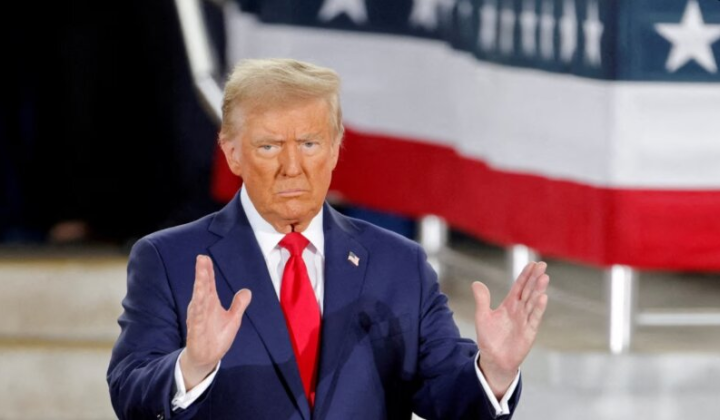
According to ХВИЛЯ: The administration of U.S. President Donald Trump initiated cooperation with the Iranian opposition, specifically Kurdish leaders, with the aim of fomenting an uprising within Iran. Trump personally telephoned representatives of Kurdish minorities in Iran and Iraq, offering them military support. The primary objective of these actions is to create conditions for a popular revolt against the existing regime in Tehran.
Over several days, Donald Trump called key leaders of Kurdish political parties. Among them were:
- Bafel Talabani, leader of the Patriotic Union of Kurdistan;
- Massoud Barzani, head of the Kurdistan Democratic Party;
- the leader of the Democratic Party of Iranian Kurdistan.
In his conversations, Trump proposed extensive American air cover and other military aid to the Kurds, urging Iraqi Kurds to open a corridor for the transfer of Iranian Kurdish armed formations. This outreach reflects a long-standing U.S. interest in leveraging regional ethnic groups to pressure adversarial governments.
Background and Consequences
The context for these events includes the fact that approximately 10 million Kurds live in Iran, dispersed across five western provinces of the country. Concurrently, Israeli airstrikes are targeting police facilities and Islamic Revolutionary Guard Corps bases in Iran's western provinces, while American strikes are concentrated primarily in the south.
White House Press Secretary Karoline Leavitt denied reports of possible arms supply agreements, calling such claims false. She also clarified that Trump's conversation with Kurdish leaders concerned an American military base in northern Iraq. The CIA declined to comment on the situation.
According to Trump, the Kurds must choose a side-'either with America and Israel, or with Iran.' This has caused concern among Kurdish representatives, who noted that if an advance by Iranian Kurds is unsuccessful, the consequences could be unpredictable. As one representative of the Patriotic Union of Kurdistan stated:
'we cannot refuse Trump-especially when he calls personally.'
Meanwhile, experts point to the risks associated with this strategy, noting that 'it resembles a recipe for ethnic strife.'
This is not the first time the Kurds have felt abandoned by Washington, underscoring the complexity and unpredictability of the regional situation.
These events are unfolding against a backdrop of escalating regional tensions and recent military actions conducted by both the U.S. and Israel against Iranian targets. U.S. cooperation with Kurdish leaders could lead to new phases of conflict within Iran, where the Kurdish population has long sought autonomy. However, such a strategy may also lead to further regional destabilization, as the Iranian government is likely to respond to any attempts at external interference, potentially intensifying the conflict.

Read also