By 2027, AI Will Become Routine in Business Despite Limited Evidence of Its Impact

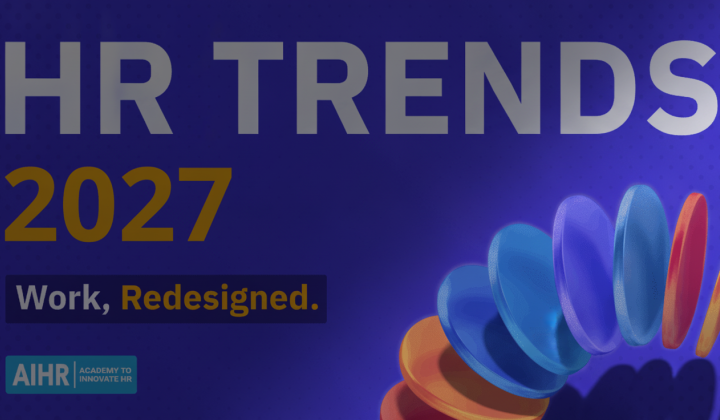
AI Integration in Business by 2027
According to AIHR: Artificial intelligence is set to become a standard feature within business operations by 2027, yet most companies will struggle to clearly demonstrate its tangible benefits on productivity, quality, or decision-making. The spotlight will shift to HR departments as AI reshapes workflows, knowledge management, job roles, and skill development. Eleven major trends have been identified that will influence both HR strategies and broader business practices in the coming years.
Research from the McKinsey Global Institute suggests that over half of working hours in the U.S. could be automated with current technologies. Meanwhile, KPMG's Global AI Pulse reveals that although 95% of organizations earning more than $100 million annually have an AI strategy, only 8% report measurable returns on investment. According to Glean’s Work AI Index, 87% of digital workers use AI regularly, with 75% noting productivity improvements, yet only 13% feel their organizations have become significantly more effective.
HR teams face their own challenges. A study by AIHR involving 334 HR teams found that while 65% support AI adoption, just 30% fully understand its objectives. Only 29% expressed confidence in their data readiness and infrastructure. Microsoft’s research highlights that organizational factors influence AI effectiveness twice as much as individual efforts, emphasizing the necessity for systemic changes within companies to successfully implement these technologies.
Top HR Trends to Watch in 2027
Among the key HR developments anticipated in 2027 are seamless collaboration between humans and AI becoming part of everyday work and a shift from merely adopting AI to leveraging it for real value creation. AIHR data shows that skill sets evolve by an average of 33% over four years. Additionally, 37% of young professionals worldwide are employed in roles highly or moderately exposed to AI-driven change, underscoring the urgent need for workforce adaptability.
Talent shortages remain a critical concern, with 54% of executives identifying it as the main influence on HR strategies. Meanwhile, demand for HR administrators in the U.S. has dropped by 30%, and 61% of HR leaders are adjusting compensation packages to attract talent. Over half (51%) view administrative burdens as a strategic obstacle for HR functions.
Introducing AI into the business environment opens new avenues for human resource management but demands a comprehensive approach to organizational transformation.
Key HR focus areas include:
- Defining AI’s role within HR;
- Assessing and enhancing employee capabilities to work alongside AI;
- Strengthening knowledge sharing mechanisms among staff.
This highlights the critical role HR plays in guiding technology adoption and adapting to evolving labor market demands.
Strategic workforce planning and continuous skill development will be vital for maximizing the benefits of emerging technologies, ultimately influencing companies' future competitiveness.

Read also