Unique Mosaic and Two Pools Discovered Inside a Roman Villa in Britain

Roman Villa Unearthed in Devon
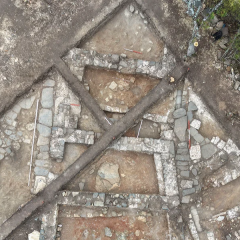
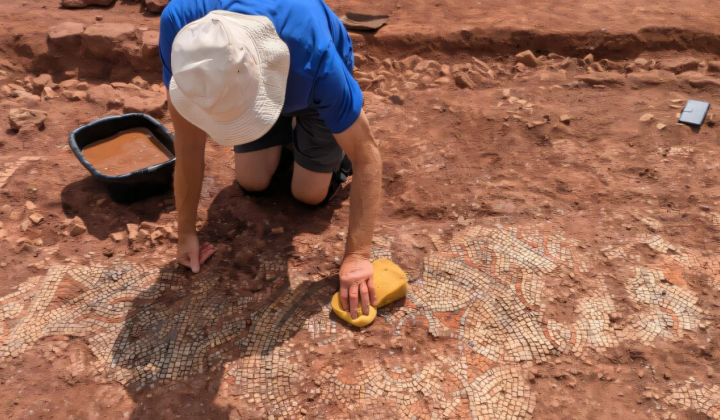
According to НВ — Техно: In Devon, England, archaeologists have uncovered a Roman villa featuring a multicolored mosaic, a bathhouse with two pools, and various artifacts. Excavations lasted two months in the area between the villages of Halberton and Sampford Peverell. Dating back to the 4th century AD, the villa was found beneath agricultural fields. The mosaic measures 12 square meters and is made from thousands of red, white, and dark blue-gray tiles, each just 12 millimeters in size.
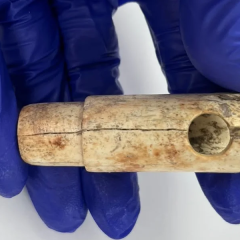
The site also includes a bathhouse with at least two plunge pools, indicating the considerable wealth of its inhabitants. Among the discovered items are:
- an intaglio depicting the goddess Victoria
- a copper-alloy bracelet
- a silver-plated spoon
- a handled cup
- a piece of flint
The excavation was led by archaeologists from the University of Exeter and Cotswold Archaeology.
Dr. Susan Greaney remarked: 'We knew this villa and its surrounding work areas were an important site for understanding the 'Romanization' of Devon. But from the very first day, it offered us a wealth of interesting, and sometimes surprising, finds in addition to this striking polychrome mosaic. We did not expect to find, for example, such a sophisticated bathhouse. This villa was undoubtedly home to wealthy and high-status individuals.'
This polychrome mosaic is the westernmost example ever found in a Roman-British villa. Bill Horner emphasized that 'this discovery, along with other signs of Roman civilization and prosperity, shows how even this remote part of the province was integrated into the Roman Empire.' The mosaic is set to be displayed at the Tiverton Museum of Mid-Devon Life, giving the public a chance to see these unique finds firsthand.
Why This Discovery Matters
The uncovering of this Roman villa in Devon highlights how archaeological research deepens our understanding of the region's history and its connections to the Roman Empire. Finds like the mosaic and artifacts not only reveal the wealth of the occupants but also shed light on the cultural and social networks that existed at the time. By putting the mosaic on public display, the museum will make this piece of history accessible to a wider audience, potentially sparking greater interest in archaeology and local heritage.

Read also