Sealed Sarcophagus of Official Ka-Mesiu Unearthed in Egypt

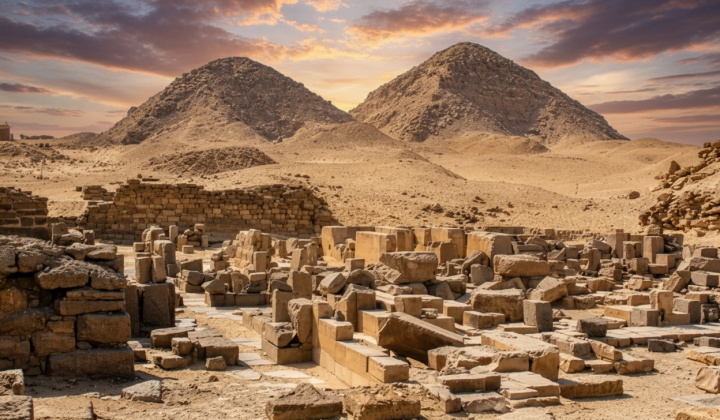
Ancient Official's Tomb Discovered in Aswan
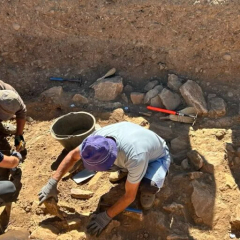
According to Главком: A joint archaeological team from the University of Milan and Egypt's Supreme Council of Antiquities has uncovered an underground burial site, Tomb No. 38, near the Aga Khan Mausoleum in Aswan. Inside the burial chamber, they found a sealed two-meter-long limestone sarcophagus, along with several mummies. The artifacts and remains recovered date from the 3rd century BCE to the 2nd century CE. Hieroglyphic inscriptions on the sarcophagus identified the buried official as Ka-Mesiu.
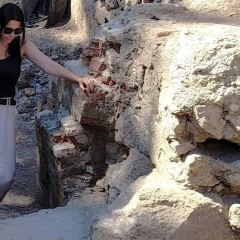
Excavations took place in the necropolis near the Aga Khan Mausoleum, where nine stone steps leading to the burial chamber were revealed. Along the passageway, archaeologists discovered mudbrick benches, while the sarcophagus rested on a pedestal carved directly into the bedrock. Its anthropomorphic lid features facial details, wig elements, and traces of paint, demonstrating the high craftsmanship of ancient Egyptian artisans.
Significance of the Find
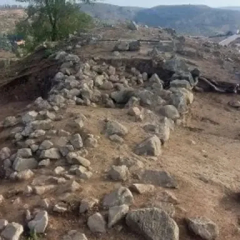
In total, over 400 burials have been recorded across an area of roughly 75,000 square meters at the site. However, the necropolis may actually cover more than 200,000 square meters, suggesting it was used by various social groups over several centuries. As Mohamed Ismail Khaled noted:
“Elite families were buried at the top of the plateau, while middle-class burials were concentrated along the slopes near the Aga Khan Mausoleum.”
Additionally, CT scans of two mummies from a nearby tomb revealed they belonged to two children aged between four and nine years old. These discoveries open new avenues for studying ancient Egyptian culture and society, and may help clarify burial practices of the era. Ongoing excavations in Aswan continue to yield valuable insights into Egypt's history and heritage.
The uncovering of this new tomb in Aswan represents a major contribution to the study of ancient Egyptian archaeology, confirming the presence of significant burials in a region rich in cultural heritage. The artifacts and mummies examined could further illuminate the social structure and funerary customs of ancient Egypt, as well as highlight connections between different social classes at the time. This finding encourages further research and has the potential to reshape our understanding of the region's history.
This recent discovery adds to the growing body of archaeological evidence in Egypt, highlighting the diverse burial practices of ancient societies. For instance, a remarkable find involving the burial of humans alongside wild boars further emphasizes the complexity of rituals and beliefs during that era. Such findings provide a broader understanding of the cultural landscape in ancient Egypt.

Read also