France Arrests Torturer from Donetsk's Infamous Izolyatsia Prison

Suspect in Terrorist Group Detained on French Soil
According to Главком: French authorities, working alongside Ukraine's Security Service (SBU) and the Office of the Prosecutor General, have arrested a member of the so-called Donetsk People's Republic (DNR) terrorist organization. The individual is accused of torturing prisoners at the illegal Izolyatsia detention facility in Donetsk. After fleeing to France in 2021, he sought refugee status but now faces charges of war crimes and crimes against humanity.
Between 2017 and 2019, the suspect voluntarily cooperated with DNR operatives, serving as an assistant to the head of the illicit prison in occupied Donetsk. Investigators have so far identified at least nine victims who suffered torture at the facility. Following his escape to France in 2021, French law enforcement launched a criminal case based on appeals from Ukrainian prosecutors, the NGO Truth Hounds, and other activists.
Investigation Progress and the Role of International Cooperation
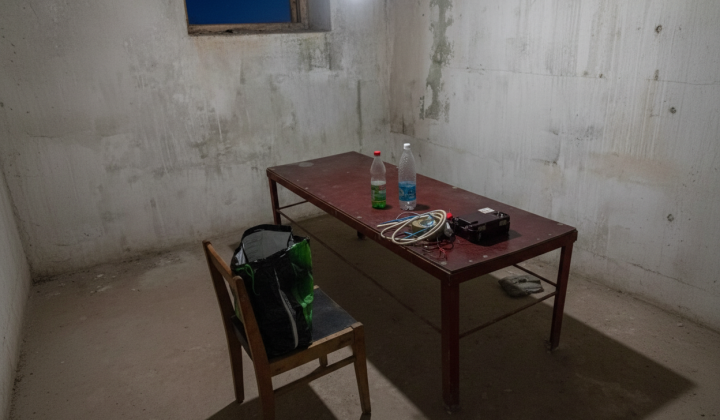
The suspect has been placed in custody at the request of France's National Anti-Terrorism Prosecutor's Office. The investigation is being led by an examining magistrate from a specialized unit of the Paris court. Izolyatsia prison, established by occupation authorities in 2014 on the site of a former contemporary art center in Donetsk, has become notorious for holding hundreds of people who were subjected to torture, including electric shocks and degrading treatment. This pattern of abuse has persisted even after Russia's full-scale invasion of Ukraine began.
In 2021, Ukraine's SBU arrested Denis Kulikovsky, the commandant of the Izolyatsia prison in Donetsk. The investigation into his case was completed in June 2022, resulting in a 15-year prison sentence and confiscation of his property. The SBU has also identified 45 other militants who served as torturers at Izolyatsia.
This case underscores the critical need for international collaboration in prosecuting war crimes, especially amid the ongoing conflict in Ukraine.
The arrest of a terrorist group member in Europe could set a precedent for holding perpetrators of crimes against humanity accountable, even beyond the country where the offenses occurred. It may also encourage other nations to intensify efforts to combat impunity for war crimes.
The recent arrest in France highlights the ongoing efforts to hold accountable those responsible for human rights abuses in conflict zones. In a similar case, a Ukrainian national was detained for his involvement in the torture of prisoners at an isolation facility, shedding light on the broader issue of war crimes committed during the conflict. You can read more about this case and the implications for international justice here.

Read also