Rare Roman Burial Unearthed in Croatia Featuring Glassware Collection and Massive Five-Ton Sarcophagus

Significant Discovery in Salona Necropolis
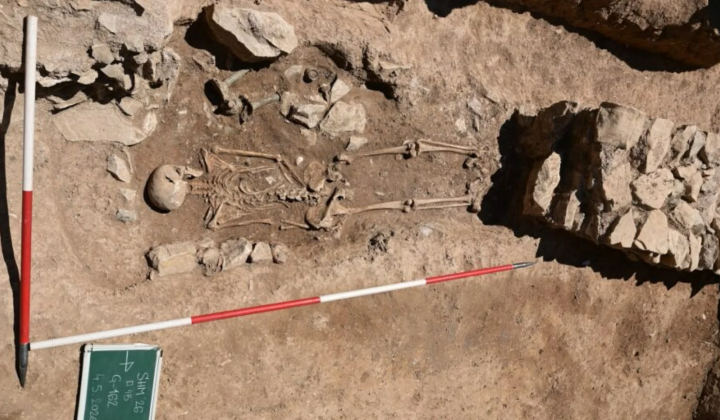
According to НВ — Техно: Archaeologists working at the Salona necropolis in Croatia have uncovered a Roman grave, designated Tomb 162, as part of the fifth season of excavations in 2026. This campaign revealed 32 new graves, bringing the total number of burials examined in this cemetery section to 152. The deceased was interred face-down, a burial practice common in Roman cemeteries across Europe.
Artifacts and Their Historical Importance
Tomb 162 contained an unusual assortment of glass and ceramic vessels, including:
- Three glass bottles
- One small glass container
- Three glass balsamaria (perfume bottles)
- Four ceramic vessels
- Two engraved gemstones
- Fragments of a bronze item
Notably, one balsamarium is shaped like a date fruit, reflecting Roman glassmaking traditions and dating back to the 1st to early 2nd century AD. In Roman times, balsamaria were used to hold scented oils, ointments, and cosmetics.
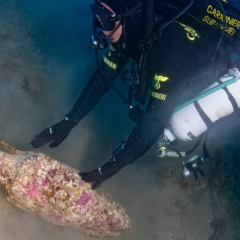
Separately, a late antique (4th–6th century AD) five-ton stone sarcophagus of the Salona type was discovered in the necropolis of Čavtat. Found three meters underground, the sarcophagus remains intact, with its lid sealed by a lime-based mortar. This find enriches our understanding of the Roman colony of Epidauros and its burial sites, highlighting the cultural and historical importance of the region.
These discoveries-from the glassware assemblage in Salona to the monumental sarcophagus in Čavtat-shed light on the vibrant funerary customs and daily life during the Roman era in what is now Croatia. The presence of finely crafted glass balsamaria indicates sophisticated artisanal skills and cultural connections among Roman settlements, influencing local traditions. Ongoing archaeological efforts continue to deepen insights into the social and economic dynamics of this Roman province.
As archaeological efforts continue to unveil the rich tapestry of ancient practices, a recent discovery on Khortytsia Island adds another layer to our understanding of ritualistic traditions. The unearthing of a 5,000-year-old stone structure highlights the significance of ceremonial sites in shaping cultural identity across regions. This connection between different archaeological finds emphasizes the shared heritage of ancient civilizations, inviting further exploration into their historical narratives.

Read also