Kyiv Expands Its No-Mow Zones by Nearly a Third

Kyiv Increases Areas with Restricted Grass Mowing
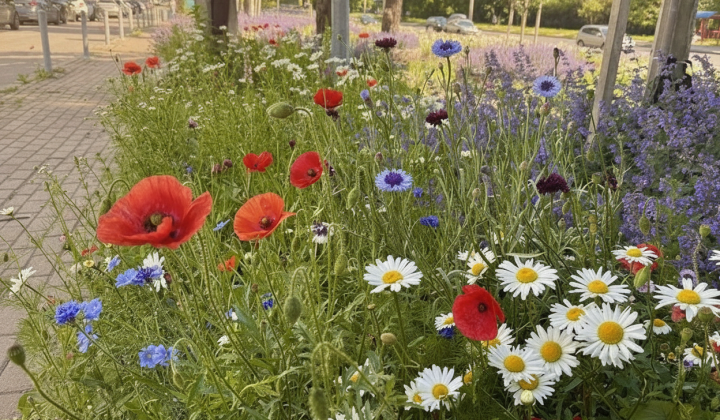
According to Главком: The Ukrainian capital has expanded the number of urban zones where grass cutting is limited to 119 sites, covering a total area of 251 hectares. This marks a significant increase from last year's 91 such locations, reflecting a growing commitment to preserving natural habitats within the city.
In 2022, the total area under restricted mowing exceeded 234 hectares, indicating a steady expansion of green spaces across Kyiv. The Solomyanskyi and Sviatoshynskyi districts lead the city in greenery, with 51% of their land covered by vegetation. This high level of planting helps improve ecological conditions in those areas.
Benefits of Restricted Grass Mowing
Limiting how often grass is cut offers several advantages. These include:
- preserving urban biodiversity,
- supporting pollinator insect populations,
- retaining soil moisture,
- reducing asphalt overheating,
- increasing the resilience of green zones to climate change,
- lowering airborne dust levels and improving the local microclimate.
Each site is individually assessed by experts from the Department of Environmental Protection and Climate Change Adaptation, ensuring these measures are implemented effectively.
Overall, the growth in no-mow zones represents a positive step toward enhancing the capital's environmental health and supporting its natural ecosystems.
These changes highlight the city government's increasing focus on ecology and sustainable development. Protecting biodiversity and improving air quality are critical goals for urban centers aiming to become more livable. Kyiv's approach could serve as a model for other cities seeking to improve their environmental conditions in built-up areas.
As Kyiv continues to enhance its green initiatives, the city is also taking measures to safeguard these valuable spaces from human activities. Recent regulations on lawn parking aim to minimize damage to the newly established no-mow zones, ensuring that urban biodiversity thrives and green areas remain protected. This comprehensive approach underscores the city's commitment to fostering a sustainable environment for its residents.

Read also