In Kyiv, tram tracks are being watered due to the heat

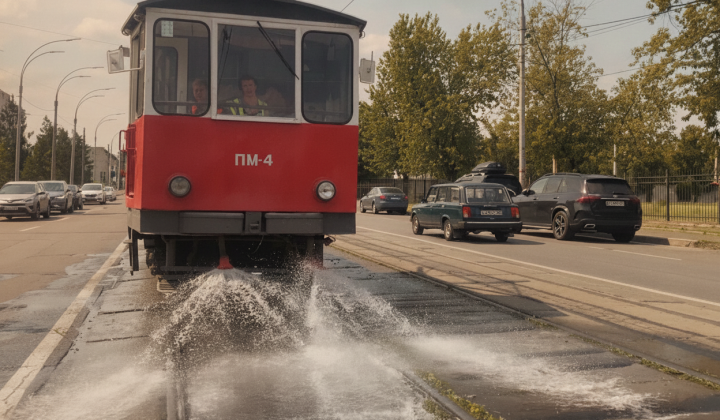
Preventive watering of tram tracks
According to Главком: The Kyivpastrans municipal enterprise has started preventive watering of tram tracks in the capital due to rising air temperatures. These measures are aimed at ensuring the reliable operation of transport infrastructure and the safe movement of trams. The acting general director of Kyivpastrans, Tetyana Tarasko, stated that
“when the thermometer exceeds +28°C, special watering trams are deployed on the city's tram routes”
.
Importance of special watering trams
Special watering trams are utilized when the air temperature exceeds +28°C. The main task of this special transport is to cool and moisten the tracks, which helps reduce the impact of high temperatures on metal. In hot weather, the railway tracks expand, and these measures are necessary to prevent track deformations. The special machinery operates on the tram networks of both the right and left banks of the capital.
The trams used for watering can carry between 18 and 32 tons of water. Only first-class drivers with at least three years of experience are allowed to operate the watering trams. According to maps created to record surface temperatures, the absolute temperature maximum in the Kyiv area during the study period reached 51.2°C between June 26 and 29, 2026. These maps demonstrate the urban heat island effect, which is an important factor for monitoring temperature regimes in the city.
Watering tram tracks is a crucial measure to maintain the safety and efficiency of public transport under high temperatures. It also underscores the need for infrastructure adaptation to climate change, as extreme weather conditions become more frequent. Such initiatives can help preserve the reliability of the transport system and ensure passenger comfort on hot days.
As the city grapples with rising temperatures, the heatwave has also prompted measures for road maintenance, including increased watering and restrictions on heavy trucks. These actions are essential to mitigate the impact of extreme weather on urban infrastructure and ensure the safety of all road users.

Read also