Balcony Collapse in Lviv Injures Woman Days After McDonald's Opening

Balcony Collapse Incident in Lviv
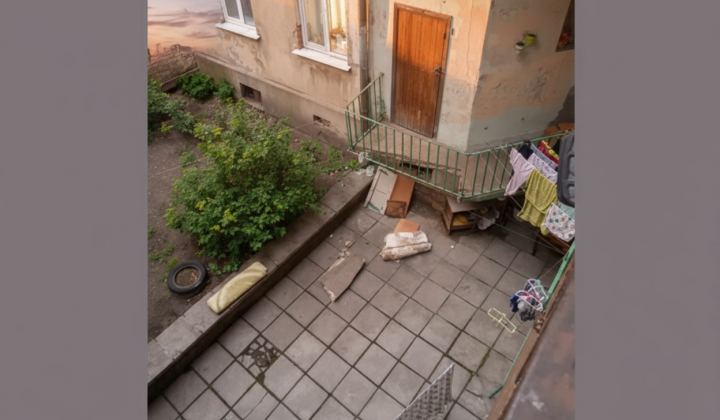
According to Главком: A woman was injured on May 17, 2026, when a shared balcony on the first floor of a building in Lviv gave way beneath her. As the balcony collapsed, a concrete slab fell, followed by another section of the reinforced concrete structure that struck the victim, causing bruising and other bodily harm. Emergency medical services and a National Police unit responded to the scene, logging the incident under report number KUPP dated May 17, 2026.
Issues with Common Property Maintenance
The following day, May 18, 2026, representatives from the building's managing entity, LKP Varshavske, arrived at the collapse site. Despite the severity of the situation, they did not file an emergency damage report, instead only temporarily propping up the remaining structure. Under Ukrainian law governing property rights in multi-apartment buildings, structural elements like shared balconies are considered common property. Responsibility for maintaining the building in proper technical condition falls on the managing entity and local government authorities.
Furthermore, residents of the building at 19 Rynok Square have raised concerns about new problems following the opening of a McDonald's restaurant in the city center. Their complaints include:
- constant noise from the ventilation system;
- vibration;
- smells of fast food;
- clogging of the inner courtyard with pipes.
In response to residents' inquiries, representatives of LKP Varshavske stated that 'residents must pay out of their own pockets for repairs to the emergency common property.'
The balcony collapse on Rynok Square starkly illustrates the consequences of neglecting common property maintenance in multi-apartment buildings. The managing entity's failure to produce an emergency report may point to a careless approach to resident safety. Additionally, the discontent linked to the restaurant's opening highlights the need to consider community interests when developing commercial infrastructure in residential areas. These events could lead to further demands from residents for city authorities to improve oversight of building conditions and quality of life in their neighborhood.

Read also