War Toll on Media: Ukraine’s Foreign Ministry Reports 132 Journalists Killed Since Conflict Began

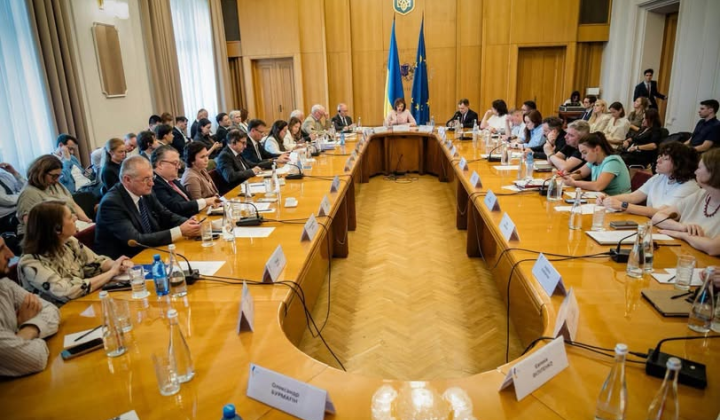
Human Rights Council Session Addresses Press Freedom
According to МЗС: Deputy Foreign Minister Mariana Betsa chaired a meeting of the Council on Human Rights, Gender Equality, and Diversity at Ukraine’s Ministry of Foreign Affairs. The session centered on freedom of expression, journalist safety, and countering disinformation. Participants reviewed international collaboration and national mechanisms for protecting journalists while condemning crimes committed by the Russian Federation against media professionals.
Key figures from Ukraine’s political and media spheres attended, including:
- Mykyta Poturaev, Chair of the Verkhovna Rada Committee on Humanitarian and Information Policy,
- Yaroslav Yurchyshyn, Chair of the Committee on Freedom of Speech,
- Olha Herasymyuk, Chair of the National Council of Television and Radio Broadcasting of Ukraine,
- Nataliia Movshovych, Deputy Minister of Culture for European Integration.
Representatives from the embassies of Lithuania, Spain, and Romania also participated.
Since the onset of Russia’s full-scale invasion, 132 Ukrainian and foreign journalists have lost their lives. The death of Ukrainian reporter Victoria Roshchyna while in Russian captivity underscores the grave dangers facing media workers. The session also honored writer and human rights activist Victoria Amelina, killed in a missile strike on Kramatorsk.
“Behind these numbers are real human stories. The death of Ukrainian journalist Victoria Roshchyna in Russian captivity is a tragic reminder that Russia targets journalists precisely for doing their job and for their commitment to speaking the truth.”
Mariana Betsa
Council members also denounced ongoing Russian crimes against Ukrainian journalists, media staff, and media infrastructure. They discussed the systematic suppression of independent journalism in Crimea and other temporarily occupied territories, which includes:
- censorship,
- forced information control,
- persecution,
- torture,
- illegal detention and imprisonment,
- imposition of state propaganda.
Strengthening International Cooperation
At the conclusion of the meeting, participants reaffirmed their commitment to deepening international and interagency cooperation. The goal is to improve mechanisms for safeguarding freedom of expression and journalist security, supporting independent media, ensuring accountability for the aggressor state, and jointly combating disinformation. “The aggressor is trying to undermine security and defense policies both in Ukraine and in partner countries. That is why we are discussing relevant initiatives with our partners at the UN General Assembly in New York,” said Mariana Betsa.
This session of the Council on Human Rights, Gender Equality, and Diversity highlights the critical importance of protecting free speech and journalist safety amid ongoing aggression. The renewed pledge for international collaboration in this area also underscores the need to preserve independent journalism as a cornerstone of democratic society. Debating crimes against media workers and condemning Russia’s actions are vital steps in the fight for human rights and information security in the region.
In addition to the alarming toll on journalists, the ongoing conflict has also raised serious concerns regarding sexual violence in war. Recently, Ukraine has intensified its efforts to advocate for Russia's inclusion on the UN's "list of shame" due to conflict-related sexual violence. This initiative highlights the broader implications of the war and the urgent need for international accountability. For more details on this pressing issue, see how Ukraine is addressing these atrocities related to the conflict.

Read also