Rare Chinese Pangolin Confirmed for First Time in Nepal's Sunsari District

Discovery of the Chinese Pangolin in Nepal
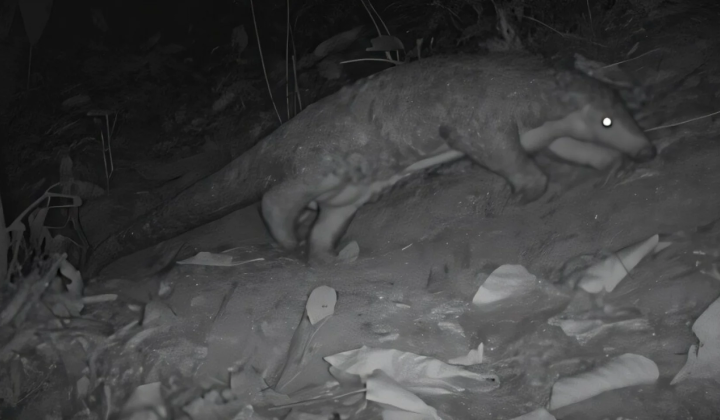
According to НВ — Техно: Camera traps have provided the first-ever confirmation of the endangered Chinese pangolin (also known as the five-toed pangolin) in Nepal's Sunsari District. This finding brings the total number of districts in the country where the species has been recorded to 28. The study marks a significant milestone in research and conservation efforts for this rare mammal in Nepal.
Research Methodology
Researchers conducted their fieldwork in the Panchakanya Forest, a sacred community grove revered by local Hindu and Kirat communities. To gather data, the team installed two motion-detecting cameras on trees and poles. Over a two-week period, these cameras were rotated across 14 different locations near trails and burrows. On the second night, the cameras captured two short video clips of a male Chinese pangolin, recorded three minutes apart at 10:03 PM and 10:06 PM. The researchers concluded that both clips show the same male individual.
This study provides the first camera-trap evidence of the five-toed pangolin in Sunsari District, located in eastern Nepal. Although the research was brief and covered only a small area, its findings could have substantial implications for the species' conservation. The presence of the pangolin in this sacred forest enhances the ecological value of this urban habitat.
As the scientists noted, 'protecting the pangolin in this context offers a chance to merge cultural values with conservation awareness.'
The last indirect sighting of the Kosumeli dwarf fox dates back to 2001, underscoring the importance of new research for studying and protecting biodiversity in the region. The documentation of the Chinese pangolin in Sunsari District is a landmark event not only for Nepal but also for global conservation science focused on endangered species.
This discovery highlights the critical need to preserve biodiversity and safeguard rare species that can profoundly impact regional ecosystems. The study of the Chinese pangolin in the sacred Panchakanya Forest also opens new avenues for exploring the links between local communities' cultural values and environmental protection. It is essential that these results spur active conservation efforts-not just for the pangolin, but for other threatened species in Nepal and beyond.

Read also