Tromsø, Norway, Offers More Than Two Months Without a Sunset

A Season Without Sunrise
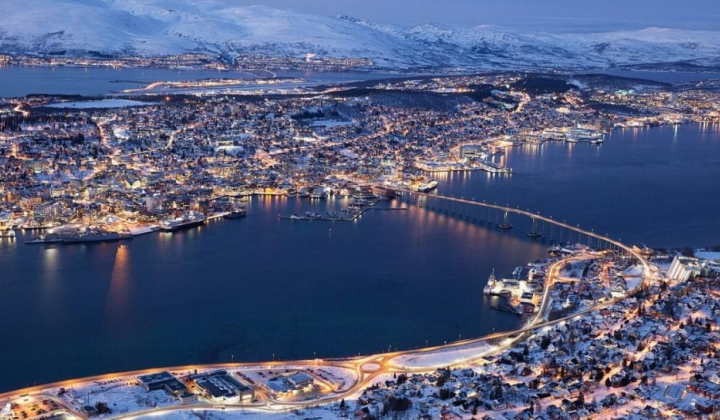
According to УНІАН — Туризм: The Norwegian city of Tromsø sits roughly 300 km north of the Arctic Circle, and its geography alone makes it a striking place. From about May 20 to July 22, the polar day keeps the sun above the horizon around the clock, so residents and tourists get weeks of unbroken light. In winter, from November 28 to January 14, the opposite happens: the sun never rises, and around noon the sky shows only a soft blue glow similar to twilight. This pattern comes from the tilt of Earth's axis, which leaves the Northern Hemisphere angled toward the sun during summer. For anyone used to a regular daily cycle, these extremes of daylight are among the most distinctive features of Arctic living.
The “Paris of the North”
Tromsø also has a deep history. In the 19th century it gained the nickname “Paris of the North,” reflecting its cultural and historical importance. The town is built on an island, connected to the mainland and nearby islands by bridges and an underground tunnel. Architecturally, it stands out for the oldest wooden house in the city center, built in 1789, and for a cathedral dating from 1861, which is regarded as Norway's only wooden cathedral.
Tromsø claims another set of northern superlatives: it is home to the world's northernmost university, botanical garden, and planetarium. The city also served as a launch point for polar exploration, with Roald Amundsen and Fridtjof Nansen preparing their teams there. Now, tourists are drawn to the area for hiking, kayaking, and nighttime boat tours, all of which offer a unique way to experience the Arctic.
Thanks to this mix of natural wonder and historical weight, Tromsø is a key cultural and travel destination in Norway. The polar night and polar day produce an atmosphere unlike almost anywhere else, attracting visitors from across the world. It is both a stage for nature's extremes and a place with a rich heritage, which makes it an essential destination for anyone interested in Arctic history and science.

Read also