13,700-Year-Old Traces of Human Visits Discovered in a Spanish Cave

New Radiocarbon Dates from the Sala de la Chimenea Samples
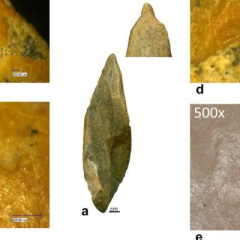
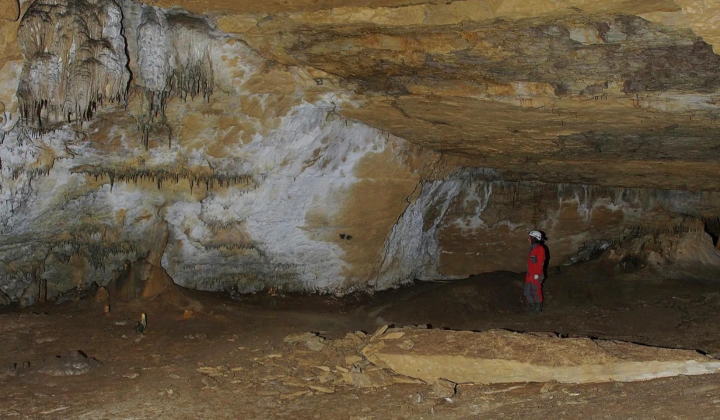
According to НВ — Техно: Researchers have obtained 18 new radiocarbon dates from samples taken in the Sala de la Chimenea within the Ojo Guareña cave system. The oldest find dates back approximately 13,700 years, placing it in the Upper Paleolithic period, while the most recent find, consisting of piglet bones, is about 2,100 years old and belongs to the Iron Age. The study identified eight distinct phases of human visits to the chamber, indicating prolonged use of this underground space.
Description of the Palomera Cave and the Sala de la Chimenea
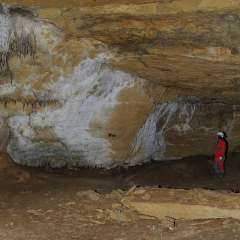
The Palomera Cave serves as the main entrance to the Ojo Guareña cave system, which houses most of the chambers containing rock art. The Sala de la Chimenea is located on the third level of the cave, approximately 290 meters from the entrance. The passage leading to the chamber is 13 meters wide but only 0.2 meters high.
Dr. Ana Isabel Ortega-Martínez noted that 'the Palomera Cave is the main entrance to the Ojo Guareña cave system, where most of the chambers with rock art in the system are located.'
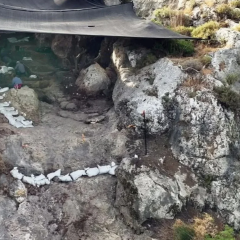
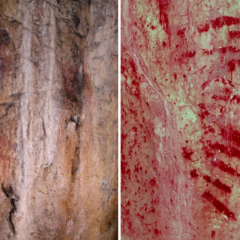
One of the most significant discoveries is a complex structure built from two large limestone slabs leaning against each other and reinforced with smaller stones. The main slab measures 1.5 meters in length and features a carefully shaped upper edge, creating a pointed profile resembling an animal figure facing the main painted panel. Scientists emphasize that 'one of the most important discoveries is a complex structure built from two large limestone slabs.'
This structure, reminiscent of the Paleolithic slab from the Tito Bustillo Cave in Ribadesella, Asturias, bears engravings and charcoal marks, suggesting intense human activity around it. Researchers state that 'both this slab and some of the stones supporting it have preserved engravings and charcoal marks that indicate intense human activity around the structure.'
Notably, the Sala de la Chimenea, one of the most hidden and difficult-to-access sanctuaries in the Palomera Cave, revealed eight distinct phases of human visits. This means that over millennia, people repeatedly ventured into this complex underground world, beyond just using the entrance areas as living spaces. The study authors highlight that 'this demonstrates the long-term use of the chamber by humans over many millennia.'
These new findings in the Sala de la Chimenea underscore the importance of the Ojo Guareña cave system as a historical and cultural site, reflecting enduring traditions of human activity. The diversity of artifacts discovered and their chronology suggest that this underground space was utilized by humans for thousands of years, potentially indicating its significance as a sanctuary or ritual site. Research continues to uncover new insights into ancient civilizations and their interaction with the environment.

Read also